
Home Show Business
Category:

Show Business

Advertisement

Television programs appear effortless when viewed from a living room or on a mobile device, yet the process behind each broadcast involves extensive planning and teamwork. In Singapore’s show business industry, television production relies on a coordinated effort between writers, directors, camera operators, editors, and many other professionals. Each stage of production plays a distinct role in shaping the final program that audiences see on their screens.

The process typically begins with the development of an idea. Writers and producers work together to design the concept of a show, whether it is a drama series, a talk show, or a reality program. Scripts are drafted, revised, and refined until the creative team is satisfied with the structure and dialogue. During this stage, decisions are made about the tone of the show, the main characters, and the overall narrative direction. Careful preparation at this stage helps guide the rest of the production process.

Casting is another important step in television production. Directors and producers search for performers who match the personalities and characteristics described in the script. Auditions allow actors to demonstrate their interpretation of a role, while casting teams consider how each performer fits into the broader ensemble. In Singapore, television productions often feature a mix of experienced actors and new talent, creating opportunities for emerging performers to appear on screen alongside well-known figures in the entertainment industry.
Pages: 1 2

Advertisement

Film festivals play an important role in shaping the show business landscape, especially in culturally active cities such as Singapore. These events bring together filmmakers, actors, producers, critics, and audiences to celebrate cinema from around the world. By creating a platform for both established and emerging creators, festivals help films reach viewers who may not encounter them through traditional commercial screenings. In Singapore, international and regional film festivals contribute to the city’s reputation as an important meeting point for creative industries in Asia.

One of the most valuable aspects of film festivals is the opportunity they provide for filmmakers to present their work to a diverse audience. Independent productions, documentaries, and experimental films often receive attention at these events before appearing in wider distribution channels. Directors and producers attend screenings to introduce their projects and discuss the ideas behind them. For audiences, this interaction offers a deeper understanding of the filmmaking process, turning a simple viewing experience into a conversation about storytelling, culture, and artistic expression.

Singapore’s position as a multicultural city adds another dimension to film festivals hosted there. The programming often reflects stories from different regions, languages, and traditions, creating a rich cinematic environment. Films from Southeast Asia share the screen with productions from Europe, North America, and other parts of the world. This mixture allows viewers to explore themes such as identity, migration, and social change through the lens of cinema. It also encourages cross-cultural dialogue between filmmakers and audiences who may come from very different backgrounds.

Pages: 1 2

Advertisement

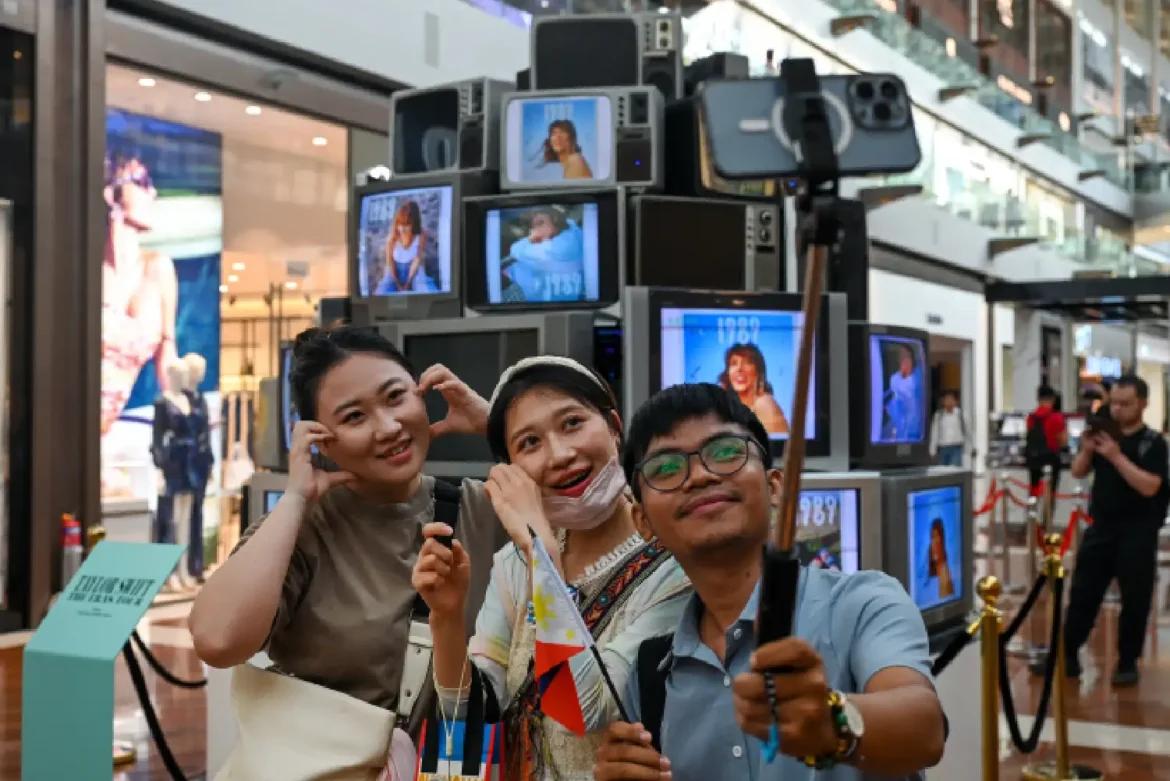
Celebrity culture plays a noticeable role in Singapore’s entertainment landscape, reflecting the close relationship between media, public figures, and audience interest. Actors, musicians, television hosts, and online personalities often become widely recognized through their work in film, television, music, and digital platforms. Their public presence extends beyond performances, influencing fashion trends, lifestyle choices, and discussions across social media channels. As Singapore’s media industry continues to expand, the interaction between celebrities and audiences remains an important part of show business.

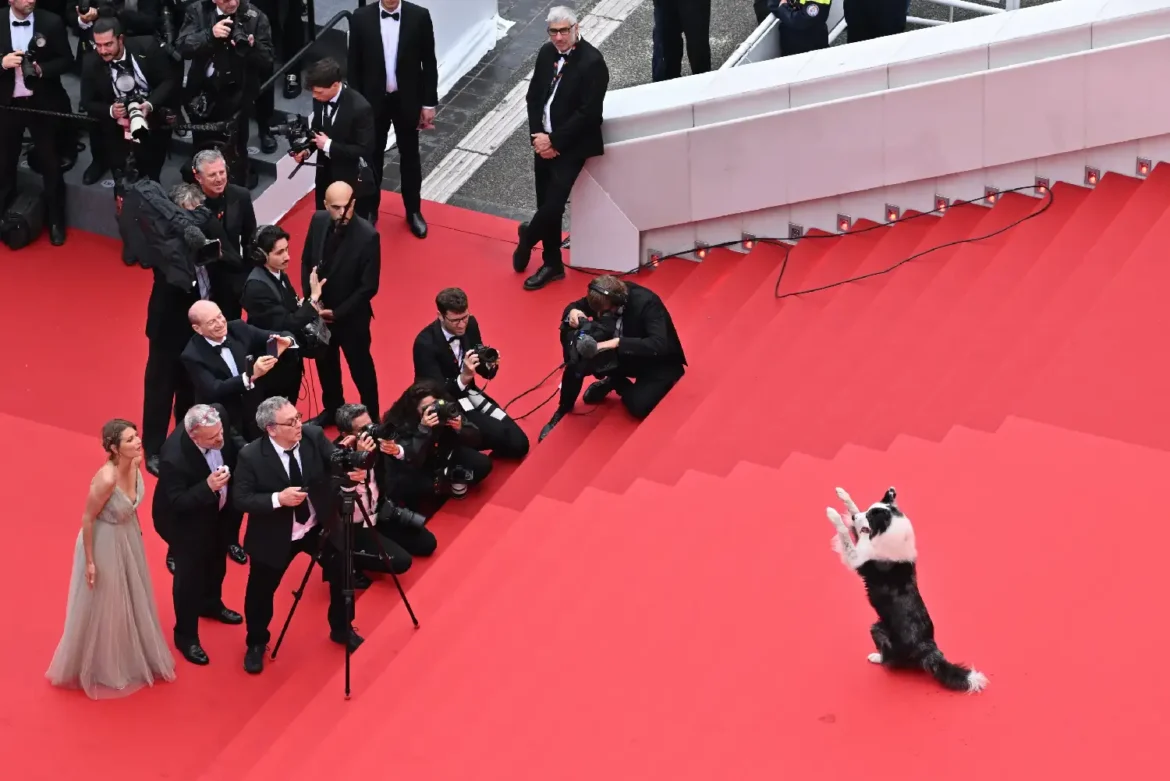
Traditional media outlets such as television networks, entertainment magazines, and radio stations have long contributed to the visibility of public figures. Interviews, feature stories, and award ceremonies highlight achievements while introducing audiences to emerging performers. These platforms often shape the public narrative around celebrities by presenting stories about their careers, creative projects, and personal experiences. In Singapore, media coverage frequently emphasizes professionalism, artistic dedication, and community involvement, reflecting values that resonate with local audiences.

Social media platforms have introduced new dynamics to celebrity culture. Performers can now communicate directly with fans through posts, live streams, and interactive content. This direct connection allows audiences to follow daily updates, behind-the-scenes glimpses of productions, and personal reflections shared by public figures. For many entertainers in Singapore, maintaining an active online presence has become an important way to remain connected with followers while promoting upcoming projects and performances.

Pages: 1 2

Advertisement

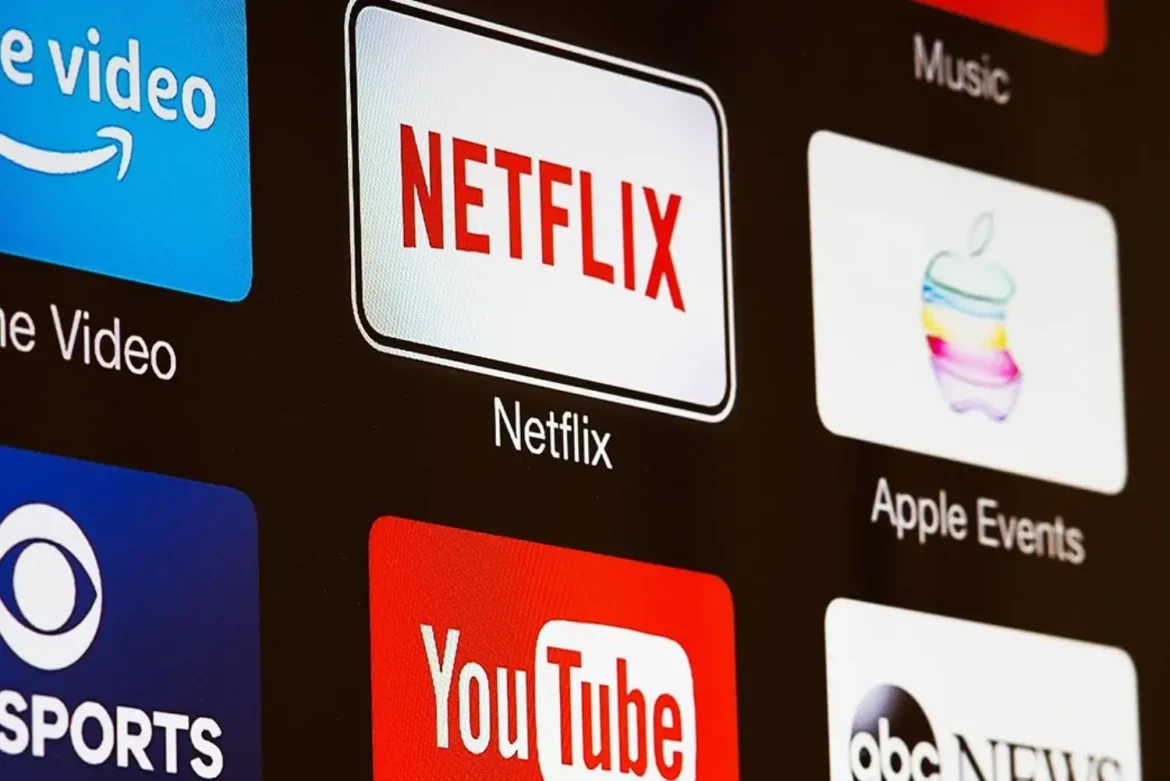
Digital streaming platforms have reshaped the structure of modern show business, influencing how audiences discover, watch, and discuss entertainment content. In Singapore, where internet connectivity is strong and digital technology is widely used, streaming services have become an important part of everyday media consumption. Viewers now have access to a vast library of films, television series, documentaries, and original productions from around the world. This accessibility has expanded entertainment choices while also changing how production companies develop and distribute their content.

One of the most noticeable effects of streaming platforms is the shift in viewing habits. Traditional television schedules once determined when audiences watched their favorite programs. Today, viewers often prefer on-demand access, choosing what to watch and when it fits their routine. Binge-watching entire seasons of series has become common, allowing audiences to immerse themselves in stories over a shorter period. This change has encouraged producers to create narratives that maintain interest across multiple episodes, often featuring detailed character development and long-form storytelling.

Streaming services have also created opportunities for regional productions to reach international audiences. Films and television series produced in Singapore or other parts of Asia can now be distributed globally through digital platforms. This wider exposure allows creators to share stories rooted in local culture while connecting with viewers in different countries. In many cases, these productions highlight regional traditions, languages, and urban life, offering perspectives that might not appear in mainstream international cinema.

Pages: 1 2

Advertisement

Singapore’s show business scene has transformed significantly over the past two decades, evolving into a vibrant hub for live entertainment in Southeast Asia. With its strategic location, modern infrastructure, and diverse cultural landscape, the city-state has become a popular destination for concerts, theater productions, comedy performances, and international festivals. Large arenas, intimate performance spaces, and open-air venues across the city host a steady flow of events throughout the year, drawing audiences from both the local community and visitors from neighboring countries. This expanding ecosystem has created opportunities for performers, production teams, event organizers, and media companies, all contributing to the dynamic character of Singapore’s entertainment sector.

A key factor behind the rise of live entertainment in Singapore is the government’s long-term support for creative industries. Cultural policies and funding programs encourage artistic expression while helping event organizers bring international productions to local stages. Initiatives that promote collaborations between local performers and global talent have helped Singapore build a reputation as a cultural meeting point. Major venues such as the Esplanade – Theatres on the Bay and other well-equipped performance spaces provide artists with professional environments where music, theater, dance, and multimedia shows can flourish. As a result, audiences have access to a wide variety of entertainment options that reflect both regional influences and international trends.

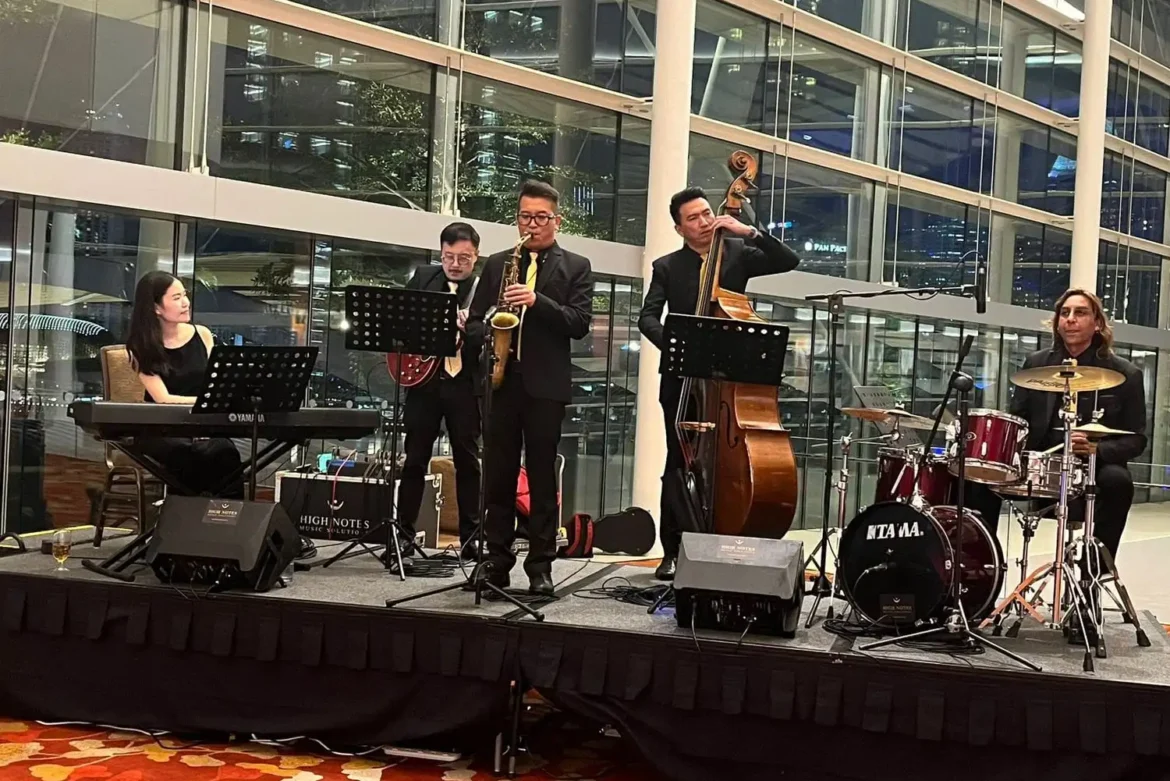
Music concerts play a central role in Singapore’s show business industry. International touring artists frequently include the city in their Asia tour schedules due to its strong infrastructure and enthusiastic audiences. Pop, rock, electronic music, and classical performances all find dedicated listeners in Singapore’s diverse population. At the same time, local musicians continue to build their own following through independent concerts, music festivals, and collaborations with other artists. These events not only showcase talent but also strengthen connections between performers and fans, creating shared experiences that extend beyond the stage.

Pages: 1 2

Advertisement

Disclaimer

This website is not intended to be a diagnosis. Results may vary. This information is not a direct recommendation and should not be construed as such. It is not a substitute for a personal consultation or examination by a licensed professional. Consult a professional before taking supplements. The information provided should be used as a permanent lifestyle recommendation and does not replace a varied and balanced diet.

Contact information

Gleamy Adventure LLC

14B Lor 7 Toa Payoh, Singapore 312014

+6562567531

info@gleamy-adventure.com