Home Technology
Category:

Technology

Advertisement

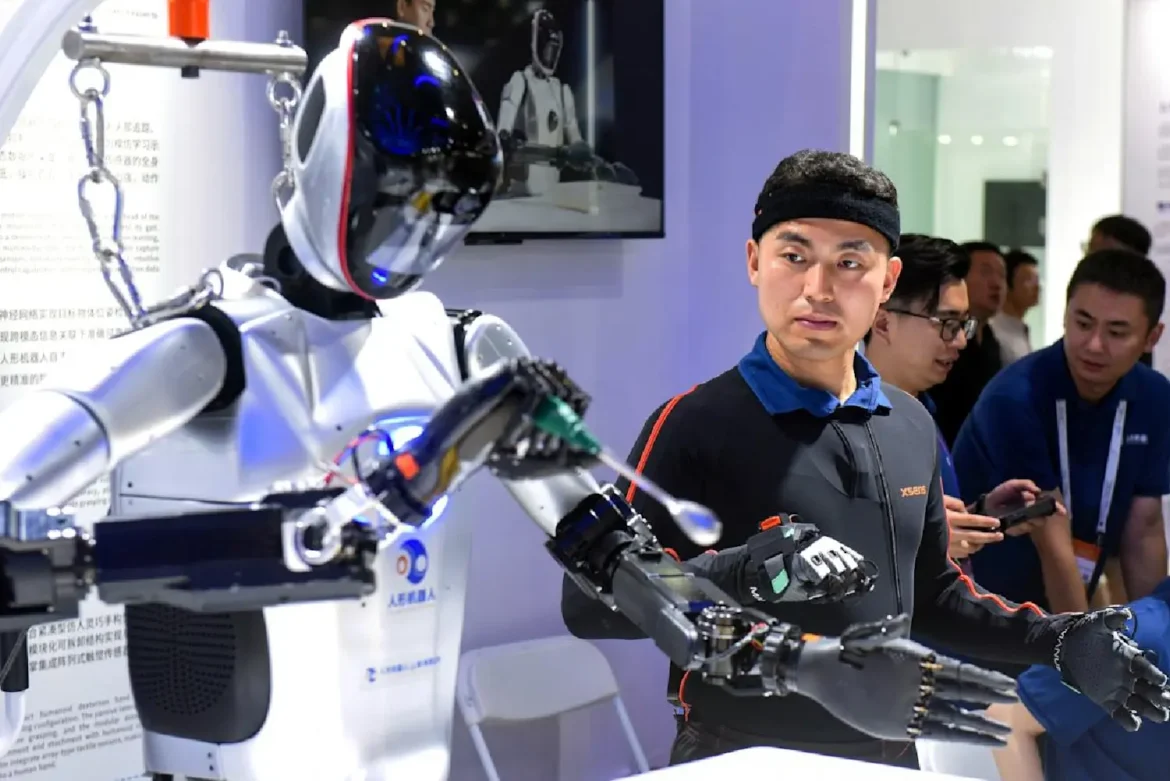
Robotics and automation have become significant components of Singapore’s industrial and technological development. As industries seek ways to increase efficiency and manage complex production processes, automated systems provide tools that assist workers in manufacturing, logistics, and service sectors. Singapore’s emphasis on technological advancement has encouraged businesses to adopt robotic systems that support productivity while adapting to the changing demands of global markets.

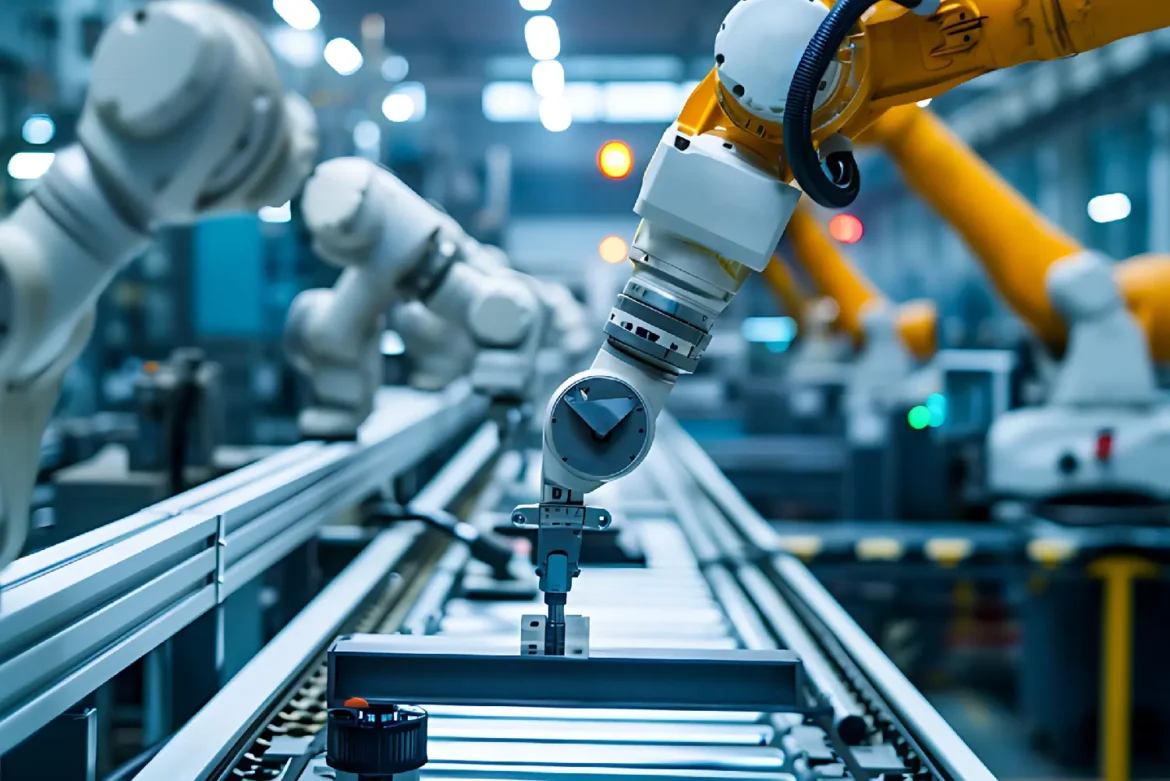
Manufacturing industries represent one of the primary areas where robotics has been introduced. Automated machines assist with tasks such as assembling electronic components, packaging products, and monitoring production lines. These machines operate with precision and consistency, allowing factories to maintain high production standards. Workers often collaborate with robotic systems by supervising operations, maintaining equipment, and managing production schedules.

Automation also plays an important role in logistics and warehouse operations. Singapore’s position as a major global shipping hub requires efficient movement of goods across ports, distribution centers, and transportation networks. Automated storage systems and robotic transport units help organize inventory and move packages within warehouses. These systems contribute to smoother supply chain coordination while allowing companies to handle large volumes of goods more effectively.

Pages: 1 2

Advertisement

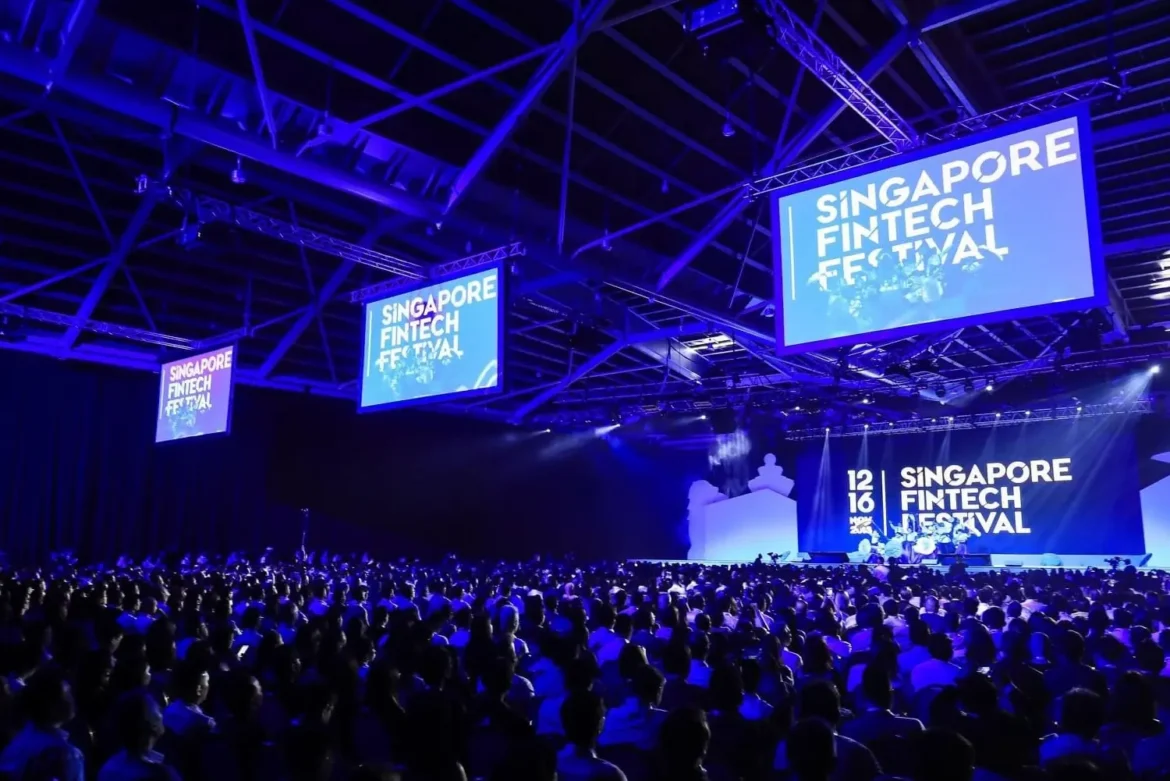
Financial technology, commonly known as fintech, has become an important part of Singapore’s technological landscape. The country’s role as a global financial center has encouraged banks, startups, and technology firms to explore digital tools that support financial services. Fintech refers to the integration of software, digital platforms, and data systems into financial activities such as payments, lending infrastructure, and financial management tools. In Singapore, the fintech ecosystem continues to grow through collaboration between established financial institutions, innovative startups, and supportive regulatory frameworks.

One of the most noticeable developments within fintech involves digital payment systems. Over the past decade, mobile wallets and contactless payment technologies have become widely used across Singapore’s retail sector. Consumers can complete purchases using smartphones, wearable devices, or digital cards connected to banking platforms. Retailers, restaurants, and transportation services frequently support these payment systems, creating a seamless experience where digital transactions occur quickly and securely.

Financial institutions in Singapore are also exploring digital banking services designed to enhance accessibility and convenience for customers. Online platforms allow users to review account information, transfer funds, and manage financial records through secure applications. These digital systems reduce reliance on traditional physical banking visits and allow financial services to operate continuously through online channels. At the same time, banks maintain strong security measures to protect personal and financial data stored within digital platforms.

Pages: 1 2

Advertisement

Cybersecurity has become an essential component of Singapore’s technological environment as more services move online and digital connectivity expands across society. Financial institutions, government agencies, businesses, and individuals all rely on digital networks for communication, transactions, and information sharing. Protecting these networks from unauthorized access and cyber threats has become a priority for both public institutions and private organizations.

One of the key elements of cybersecurity involves protecting sensitive data stored within digital systems. Organizations in Singapore manage large volumes of information related to customers, financial activity, and operational processes. Cybersecurity strategies focus on securing this data through encryption technologies, access controls, and monitoring systems. By maintaining strict security practices, organizations aim to reduce the risk of unauthorized access or data breaches.

Government agencies play a central role in establishing cybersecurity guidelines and coordinating national strategies. Regulatory frameworks outline security standards that organizations must follow when managing digital systems. These guidelines encourage companies to maintain secure network infrastructure, conduct regular security assessments, and respond quickly to potential threats. Collaboration between public authorities and private organizations strengthens the overall security environment within the country.

Pages: 1 2

Advertisement

Artificial intelligence has become a major focus within Singapore’s digital economy. As global industries increasingly rely on data analysis and automated systems, Singapore has positioned itself as a regional hub for research, development, and application of AI technologies. Government agencies, universities, and private companies collaborate on projects that explore how intelligent systems can support business operations, logistics management, healthcare services, and urban planning.

One of the reasons artificial intelligence has gained attention in Singapore is the country’s strong digital infrastructure. High-speed internet networks, advanced data centers, and reliable communication systems create an environment where large amounts of information can be processed efficiently. These technological foundations allow researchers and businesses to develop machine learning models that analyze patterns in data and assist with complex decision-making processes.

Businesses across multiple industries have begun exploring the potential of artificial intelligence. In the logistics sector, companies analyze shipping routes, inventory data, and supply chain activity to improve coordination between warehouses, transport providers, and retail networks. AI tools can process vast datasets quickly, helping organizations identify patterns that may not be immediately visible through manual analysis. This capability allows companies to organize operations more effectively and respond to changes in market demand.

Pages: 1 2

Advertisement

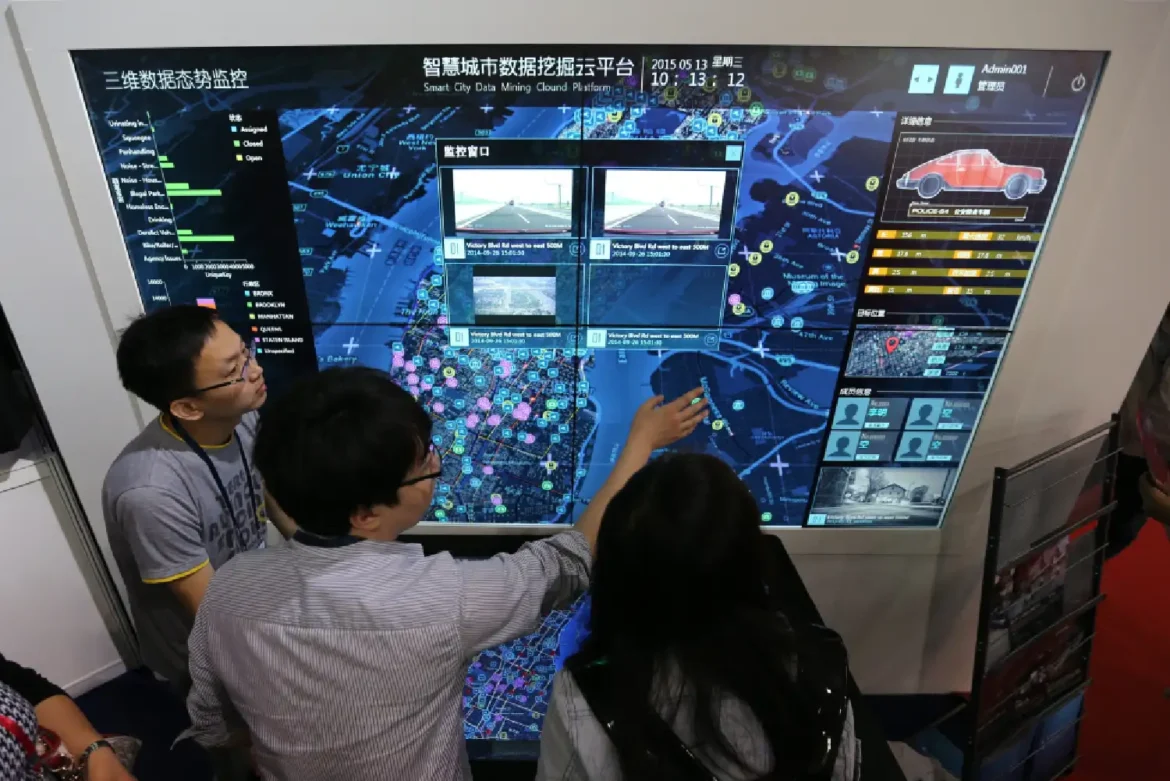
Singapore has become widely recognized for its efforts to integrate technology into urban management and daily life. As a densely populated city-state with limited land and natural resources, the country has long relied on careful planning and technological innovation to support sustainable development. Smart city technology plays a major role in these efforts, combining digital infrastructure, sensors, and data analysis to improve the efficiency of public services and urban systems. Through coordinated planning and continuous experimentation, Singapore has developed a city environment where technology supports transportation, environmental monitoring, and communication networks.

One of the most visible applications of smart city technology appears in transportation management. Singapore’s urban planners use digital tools to analyze traffic patterns and monitor road conditions in real time. Sensors, cameras, and data collection systems provide information that helps authorities understand how vehicles move throughout the city. This information supports decisions related to traffic signals, road planning, and public transportation scheduling. Commuters benefit from digital maps, mobile applications, and real-time transit updates that help them navigate the city more efficiently.

Environmental monitoring represents another key aspect of Singapore’s smart city initiatives. Sensors placed across different districts measure factors such as air quality, temperature, and water levels. This information allows environmental agencies to track changes in urban conditions and respond to potential challenges more effectively. For example, monitoring rainfall and drainage systems helps authorities manage flood risks during heavy storms. These technological tools contribute to a broader strategy aimed at maintaining a comfortable and resilient urban environment.

Pages: 1 2

Advertisement

Disclaimer

This website is not intended to be a diagnosis. Results may vary. This information is not a direct recommendation and should not be construed as such. It is not a substitute for a personal consultation or examination by a licensed professional. Consult a professional before taking supplements. The information provided should be used as a permanent lifestyle recommendation and does not replace a varied and balanced diet.

Contact information

Gleamy Adventure LLC

14B Lor 7 Toa Payoh, Singapore 312014

+6562567531

info@gleamy-adventure.com