
Home Author
Author

Su Guo En

Advertisement

Joanne Pe and Qi Yuyu Open Up About the Toughest Period of Their Marriage

For a long time, the love story of Joanne Pe and Qi Yuyu seemed to be one of the strongest in Asian show business. However, in a recent candid interview, the couple unexpectedly admitted that the early years of their life together turned out to be far more difficult than many could have imagined.

While taking part in the reality show Camping Around the World, where the couple travelled to South Korea, they spoke openly for the first time about the serious conflicts that marked the start of their married life.

According to Qi Yuyu, in the early years of their marriage, they regularly had very emotional arguments.

“We really did argue a lot. They were very painful, serious conflicts,” the actor admitted.

His words quickly caught the viewers’ attention, as the couple had previously almost never revealed details of their private life.

Joanne explained that one of the main causes of tension was her husband’s reluctance to speak openly about his feelings.

She recalled a phrase he once said to her:

“If I have to explain it in words, then it’s already lost its meaning.”

According to the actress, such words became a real emotional ordeal for her.

“I can’t read minds, after all. How was I supposed to understand what was going on?” she said.

Why this conversation sparked so much discussion

Fans of the couple are used to seeing them as a calm and harmonious partnership. That is precisely why the revelations about serious conflicts caused such a stir.

Joanne’s comments about how deeply her husband’s emotional states affected her attracted particular attention.

According to her, even the slightest change in his mood would cause her distress.

‘If he just frowns, I immediately start thinking it’s my fault.’

For many viewers, this was the most emotional moment of all.

What has changed over the years

Despite a difficult start, the couple admitted that the situation has changed significantly in recent years.

Ci Yuyu noted that arguments have become less frequent and are no longer as painful.

According to him, the reason may be that, over time, they have got to know each other better and have learnt to react differently to tense moments.

“We’ve become more tolerant. We no longer feel the need to win arguments against each other.”

He also emphasised that the main principle of their relationship remains the desire not to avoid problems, but to discuss them.

Joanne’s emotional confession

One of the most touching moments was Joanne’s candid comment about the time they spend together.

The actress admitted that sometimes she feels as though there isn’t enough of it.

These words struck a particularly strong chord with fans, as they came across as unexpectedly sincere.

Nevertheless, the conversation as a whole revealed not a crisis, but rather how relationships change over time and require constant effort.

Joanne Pei and Qi Yuyu’s story reminded viewers that even the strongest unions go through difficult phases — and what looks perfect from the outside is not always as simple as it seems on the inside.
Advertisement

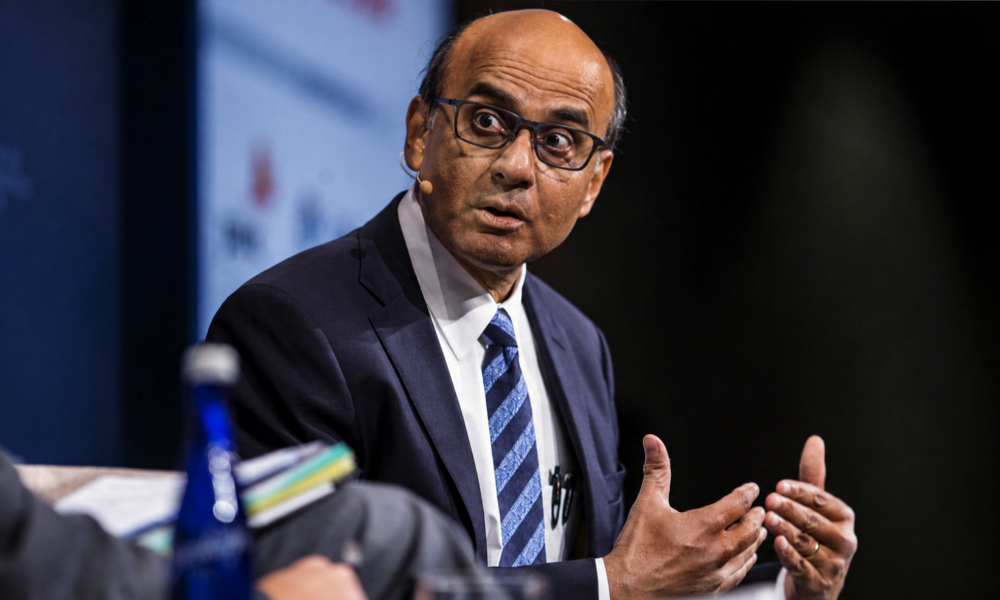
The old case involving Tarmann Shanmugaratnam has once again come under public scrutiny

Tarmann Shanmugaratnam has once again become the focus of discussion after he spoke in detail about a high-profile case from the early 1990s involving Singapore’s Official Secrets Act.

A story that for decades had been known only in broad strokes has attracted renewed attention after Tarman shared his recollections of the trial, which had a significant impact on the public debate surrounding the accountability of civil servants and the handling of confidential information.

What happened in the 1990s

The incident dates back to 1992, when precise figures on Singapore’s preliminary economic indicators appeared in the business press prior to their official publication.

It later emerged that the information matched internal government estimates, which had not yet been made public at that time.

As a result of the investigation, several people, including Tarman Shanmugaratnam, were brought to justice.

The legal proceedings concluded in 1994. Tarman was found guilty not of the deliberate disclosure of classified information, but of negligent handling of confidential documents, and was fined.

New comments decades later

Many years later, Tarman commented publicly on the case once again, stating that he had always supported a rigorous approach to investigating leaks of state information.

In his view, state secrets require serious protection, and any leaks must be investigated in accordance with the law.

At the same time, he also noted that he considered the conclusions regarding his own case to be controversial and believed that the situation was considerably more complex than it appeared in public.

Tarmann emphasised that the prosecution had initially considered more serious versions of events, but ultimately the case concluded with a lesser charge of negligence.

Why the story is being discussed again

Interest in this story has intensified not only because of Tarman’s own new comments, but also because it offers a rare glimpse into the early career of a man who later held key government posts.

Political commentators note that such archival episodes often resurface in the public agenda, particularly when it comes to public figures with long-standing careers in government.

Particular attention has also been drawn to the fact that, following the conclusion of the trial, Tarmann’s career not only continued but flourished.

He retained the trust of government bodies, continued to work in state institutions, and later entered politics.

The personal side of the story

In his memoirs, Tarman also touched upon the personal side of this period.

According to him, this time proved to be the most emotionally challenging for his family, particularly for his wife, who was involved in the legal work on the case during a difficult period in her life.

This part of the story sparked particular interest among readers, as it reveals a less public side of the high-profile trial.

Why the topic remains relevant

Experts note that such cases continue to attract public interest, as they touch on issues of trust in state institutions, transparency and standards of accountability for high-ranking officials.

Even decades later, such episodes can resurface in the news, particularly when the individuals involved decide to publicly share their version of events.

At present, the discussion is once again focused not so much on the historic trial itself, but on Tarmann’s new public comments and how society perceives such stories today.

Advertisement

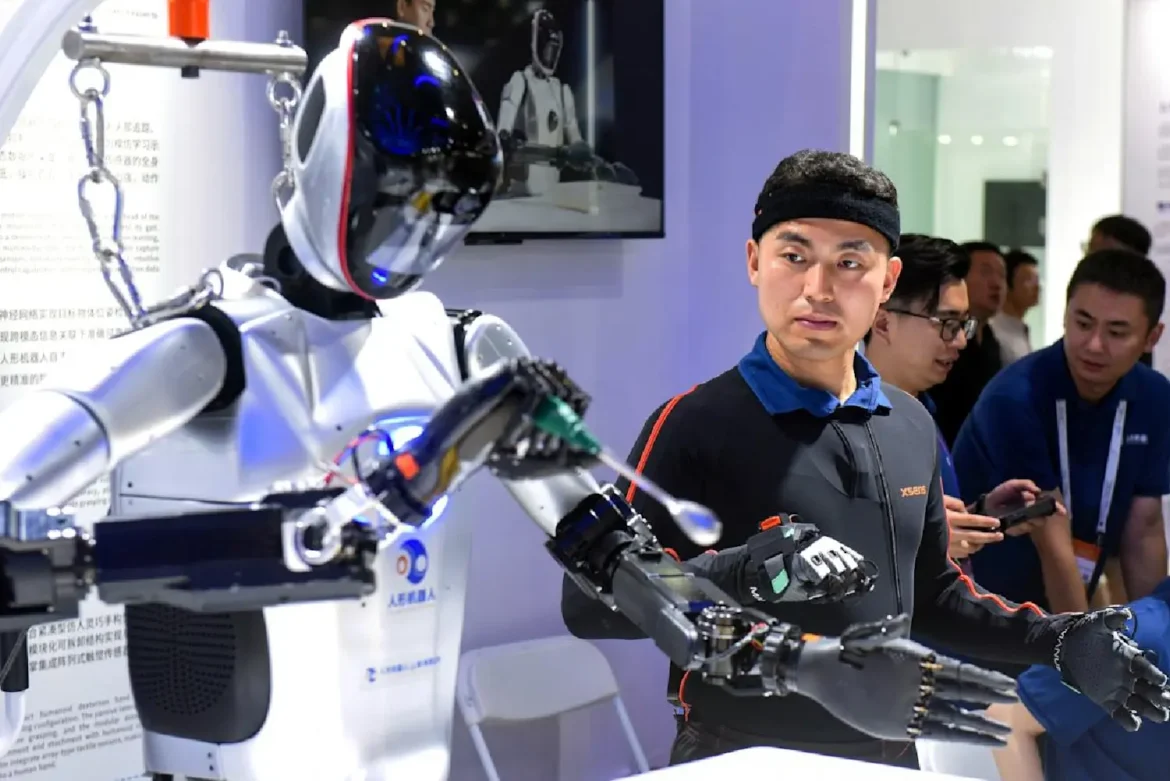
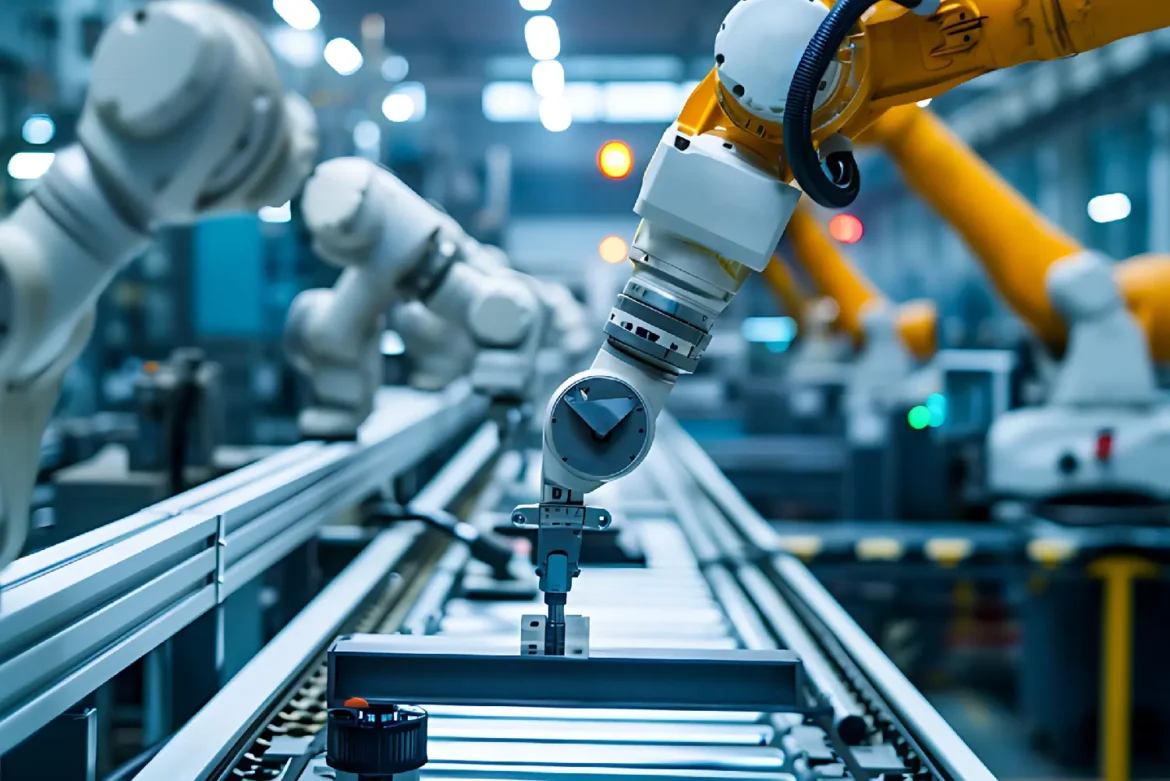
Robotics and automation have become significant components of Singapore’s industrial and technological development. As industries seek ways to increase efficiency and manage complex production processes, automated systems provide tools that assist workers in manufacturing, logistics, and service sectors. Singapore’s emphasis on technological advancement has encouraged businesses to adopt robotic systems that support productivity while adapting to the changing demands of global markets.

Manufacturing industries represent one of the primary areas where robotics has been introduced. Automated machines assist with tasks such as assembling electronic components, packaging products, and monitoring production lines. These machines operate with precision and consistency, allowing factories to maintain high production standards. Workers often collaborate with robotic systems by supervising operations, maintaining equipment, and managing production schedules.

Automation also plays an important role in logistics and warehouse operations. Singapore’s position as a major global shipping hub requires efficient movement of goods across ports, distribution centers, and transportation networks. Automated storage systems and robotic transport units help organize inventory and move packages within warehouses. These systems contribute to smoother supply chain coordination while allowing companies to handle large volumes of goods more effectively.

Pages: 1 2

Advertisement

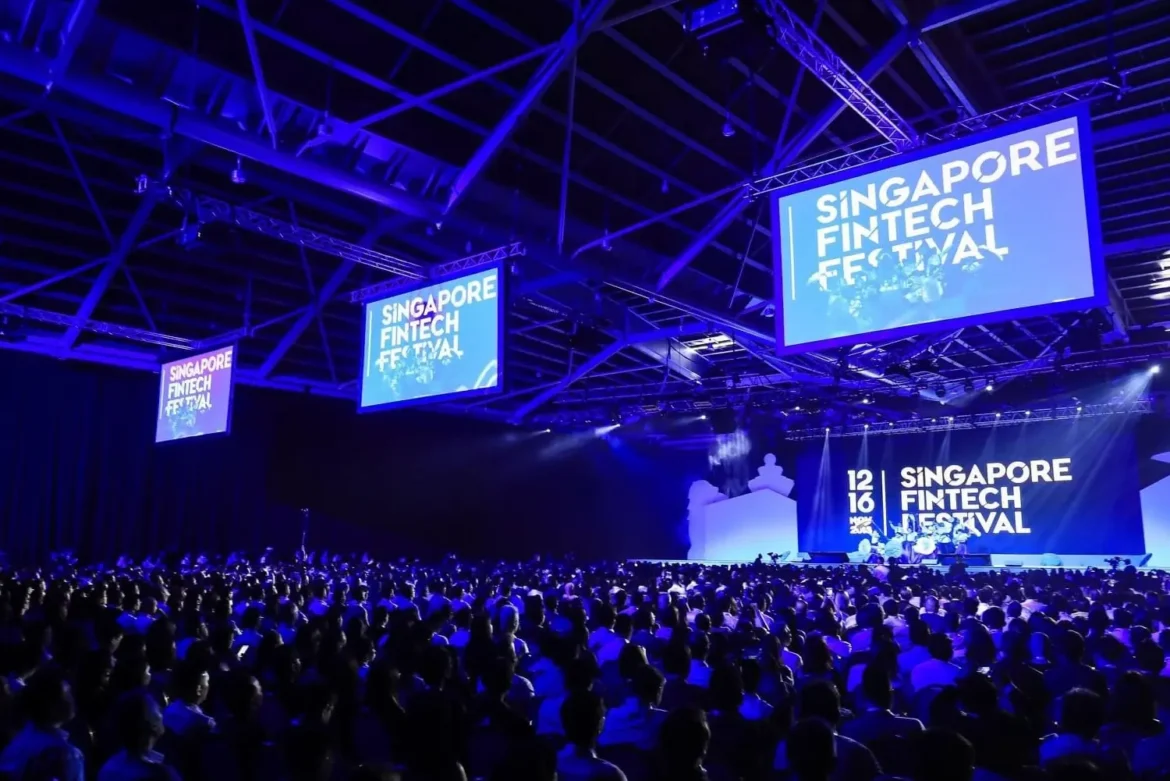
Financial technology, commonly known as fintech, has become an important part of Singapore’s technological landscape. The country’s role as a global financial center has encouraged banks, startups, and technology firms to explore digital tools that support financial services. Fintech refers to the integration of software, digital platforms, and data systems into financial activities such as payments, lending infrastructure, and financial management tools. In Singapore, the fintech ecosystem continues to grow through collaboration between established financial institutions, innovative startups, and supportive regulatory frameworks.

One of the most noticeable developments within fintech involves digital payment systems. Over the past decade, mobile wallets and contactless payment technologies have become widely used across Singapore’s retail sector. Consumers can complete purchases using smartphones, wearable devices, or digital cards connected to banking platforms. Retailers, restaurants, and transportation services frequently support these payment systems, creating a seamless experience where digital transactions occur quickly and securely.

Financial institutions in Singapore are also exploring digital banking services designed to enhance accessibility and convenience for customers. Online platforms allow users to review account information, transfer funds, and manage financial records through secure applications. These digital systems reduce reliance on traditional physical banking visits and allow financial services to operate continuously through online channels. At the same time, banks maintain strong security measures to protect personal and financial data stored within digital platforms.

Pages: 1 2

Advertisement

Cybersecurity has become an essential component of Singapore’s technological environment as more services move online and digital connectivity expands across society. Financial institutions, government agencies, businesses, and individuals all rely on digital networks for communication, transactions, and information sharing. Protecting these networks from unauthorized access and cyber threats has become a priority for both public institutions and private organizations.

One of the key elements of cybersecurity involves protecting sensitive data stored within digital systems. Organizations in Singapore manage large volumes of information related to customers, financial activity, and operational processes. Cybersecurity strategies focus on securing this data through encryption technologies, access controls, and monitoring systems. By maintaining strict security practices, organizations aim to reduce the risk of unauthorized access or data breaches.

Government agencies play a central role in establishing cybersecurity guidelines and coordinating national strategies. Regulatory frameworks outline security standards that organizations must follow when managing digital systems. These guidelines encourage companies to maintain secure network infrastructure, conduct regular security assessments, and respond quickly to potential threats. Collaboration between public authorities and private organizations strengthens the overall security environment within the country.

Pages: 1 2

Advertisement

Artificial intelligence has become a major focus within Singapore’s digital economy. As global industries increasingly rely on data analysis and automated systems, Singapore has positioned itself as a regional hub for research, development, and application of AI technologies. Government agencies, universities, and private companies collaborate on projects that explore how intelligent systems can support business operations, logistics management, healthcare services, and urban planning.

One of the reasons artificial intelligence has gained attention in Singapore is the country’s strong digital infrastructure. High-speed internet networks, advanced data centers, and reliable communication systems create an environment where large amounts of information can be processed efficiently. These technological foundations allow researchers and businesses to develop machine learning models that analyze patterns in data and assist with complex decision-making processes.

Businesses across multiple industries have begun exploring the potential of artificial intelligence. In the logistics sector, companies analyze shipping routes, inventory data, and supply chain activity to improve coordination between warehouses, transport providers, and retail networks. AI tools can process vast datasets quickly, helping organizations identify patterns that may not be immediately visible through manual analysis. This capability allows companies to organize operations more effectively and respond to changes in market demand.

Pages: 1 2

Advertisement

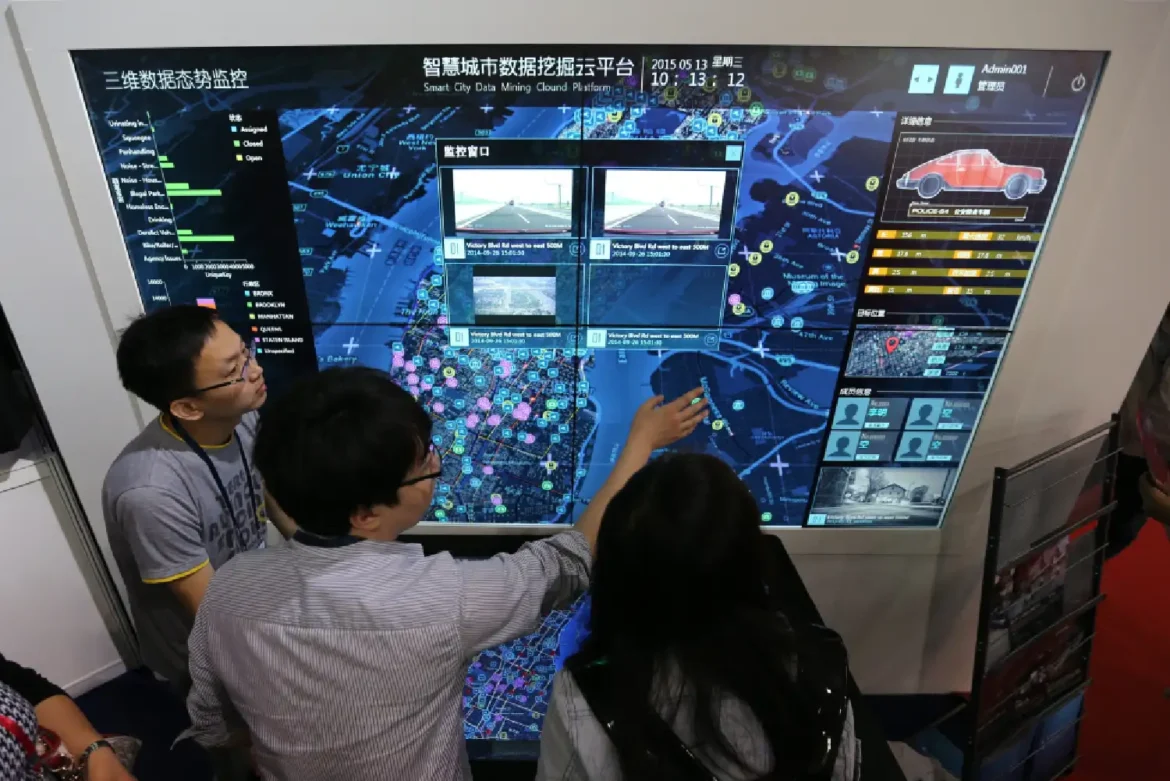
Singapore has become widely recognized for its efforts to integrate technology into urban management and daily life. As a densely populated city-state with limited land and natural resources, the country has long relied on careful planning and technological innovation to support sustainable development. Smart city technology plays a major role in these efforts, combining digital infrastructure, sensors, and data analysis to improve the efficiency of public services and urban systems. Through coordinated planning and continuous experimentation, Singapore has developed a city environment where technology supports transportation, environmental monitoring, and communication networks.

One of the most visible applications of smart city technology appears in transportation management. Singapore’s urban planners use digital tools to analyze traffic patterns and monitor road conditions in real time. Sensors, cameras, and data collection systems provide information that helps authorities understand how vehicles move throughout the city. This information supports decisions related to traffic signals, road planning, and public transportation scheduling. Commuters benefit from digital maps, mobile applications, and real-time transit updates that help them navigate the city more efficiently.

Environmental monitoring represents another key aspect of Singapore’s smart city initiatives. Sensors placed across different districts measure factors such as air quality, temperature, and water levels. This information allows environmental agencies to track changes in urban conditions and respond to potential challenges more effectively. For example, monitoring rainfall and drainage systems helps authorities manage flood risks during heavy storms. These technological tools contribute to a broader strategy aimed at maintaining a comfortable and resilient urban environment.

Pages: 1 2

Advertisement

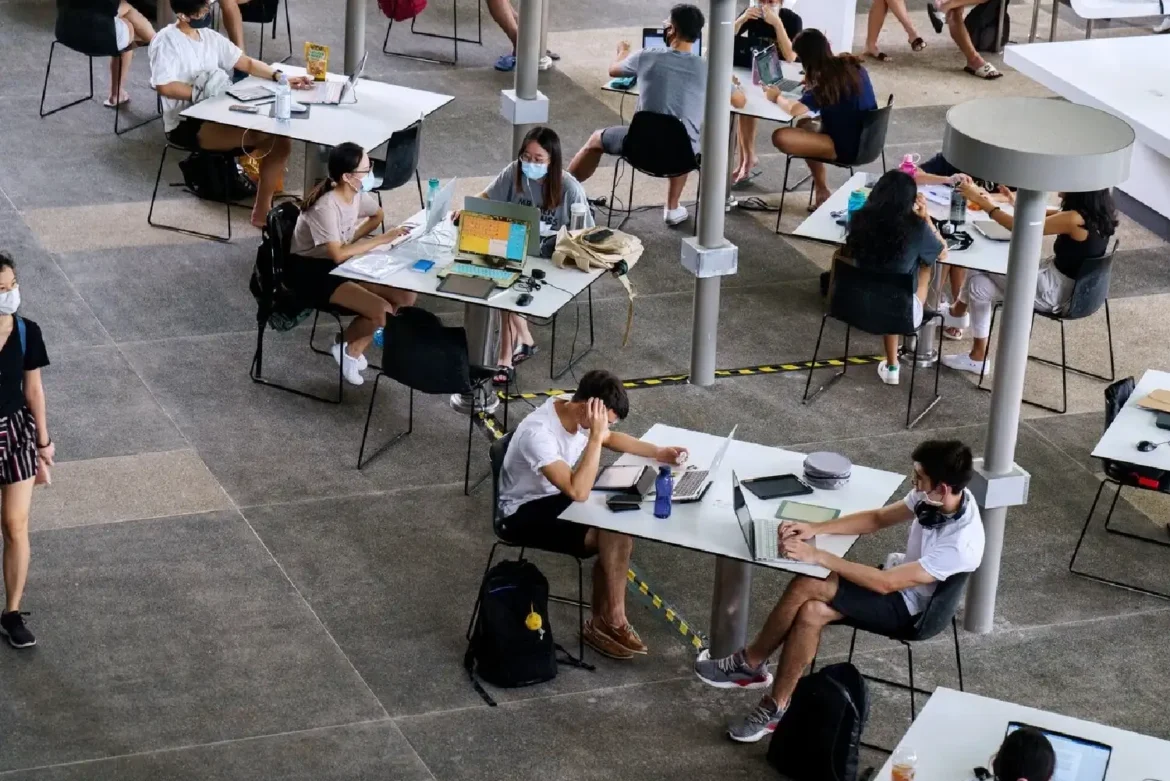
Student life in Singapore extends far beyond classrooms and lecture halls. Educational institutions across the country place significant importance on creating vibrant campus environments where students can develop socially, creatively, and intellectually. From universities to polytechnics and international schools, campus culture reflects the diverse interests and talents of students who contribute to an active and engaging academic community.

Extracurricular activities play a central role in shaping the student experience. Many schools and universities host a wide range of clubs and societies dedicated to areas such as performing arts, sports, academic interests, and cultural exchange. Students may participate in debate clubs, music ensembles, robotics teams, or community service groups. These organizations provide opportunities for students to explore personal interests while collaborating with peers who share similar passions.

Sports and physical activities are also an important part of campus culture. Educational institutions in Singapore frequently organize intramural competitions, inter-school tournaments, and recreational fitness programs. Participation in sports encourages teamwork, discipline, and healthy lifestyles. Whether students compete in organized leagues or simply enjoy recreational activities with friends, sports programs contribute to a balanced educational experience that combines physical activity with academic learning.

Cultural events and festivals add another dimension to student life. Singapore’s multicultural society is reflected in the celebrations organized by student groups representing different traditions and backgrounds. Cultural festivals, food fairs, and art performances provide opportunities for students to share aspects of their heritage with the wider campus community. These events create a welcoming atmosphere where students learn about traditions from around the world while celebrating the diversity present within their institutions.

Pages: 1 2

Advertisement

Singapore has developed into an important center for international education in Asia, attracting students from many parts of the world. Its education system combines strong academic standards with a multicultural environment, creating a learning space where students encounter different perspectives and cultural traditions. Over the years, international schools, universities, and training institutions have established campuses across the country, contributing to a diverse educational landscape that reflects Singapore’s global connections.

One of the defining characteristics of international education in Singapore is the presence of a wide range of academic programs designed for students from different educational backgrounds. International schools often follow globally recognized curricula, including British, American, or international frameworks. These institutions provide students with continuity in their studies, especially for families relocating from other countries. Students benefit from a familiar academic structure while simultaneously experiencing life in one of Asia’s most dynamic cities.

Universities in Singapore also welcome a large number of international students each year. Many institutions collaborate with overseas universities through exchange programs, research partnerships, and joint degree opportunities. These collaborations encourage knowledge sharing across borders and allow students to experience different academic environments. International students contribute their own perspectives to classroom discussions, creating a learning environment enriched by cultural diversity and global viewpoints.

Pages: 1 2

Advertisement

Lifelong learning has become an essential part of Singapore’s educational philosophy. In a world where industries evolve rapidly and new technologies reshape the workplace, continuous learning allows individuals to adapt to changing professional environments. Singapore has developed a range of programs designed to support skill development throughout different stages of life, encouraging citizens to expand their knowledge beyond formal schooling.

The concept of lifelong learning begins with the understanding that education does not end when students graduate from school or university. Instead, learning continues as individuals gain experience in their careers and encounter new professional challenges. Workers may choose to attend workshops, professional training sessions, or specialized courses to strengthen their abilities in areas relevant to their occupations. These opportunities help individuals remain informed about current practices and emerging trends within their fields.

Educational institutions play an important role in supporting this culture of continuous learning. Universities and polytechnics in Singapore frequently offer part-time programs and evening classes designed for working professionals. These programs allow individuals to pursue additional qualifications while maintaining their careers. Courses may focus on management skills, digital technologies, communication strategies, or other professional competencies that support career development.

Pages: 1 2

Advertisement

Newer Posts

Disclaimer

This website is not intended to be a diagnosis. Results may vary. This information is not a direct recommendation and should not be construed as such. It is not a substitute for a personal consultation or examination by a licensed professional. Consult a professional before taking supplements. The information provided should be used as a permanent lifestyle recommendation and does not replace a varied and balanced diet.

Contact information

Gleamy Adventure LLC

14B Lor 7 Toa Payoh, Singapore 312014

+6562567531

info@gleamy-adventure.com