Home Education
Category:

Education

Advertisement

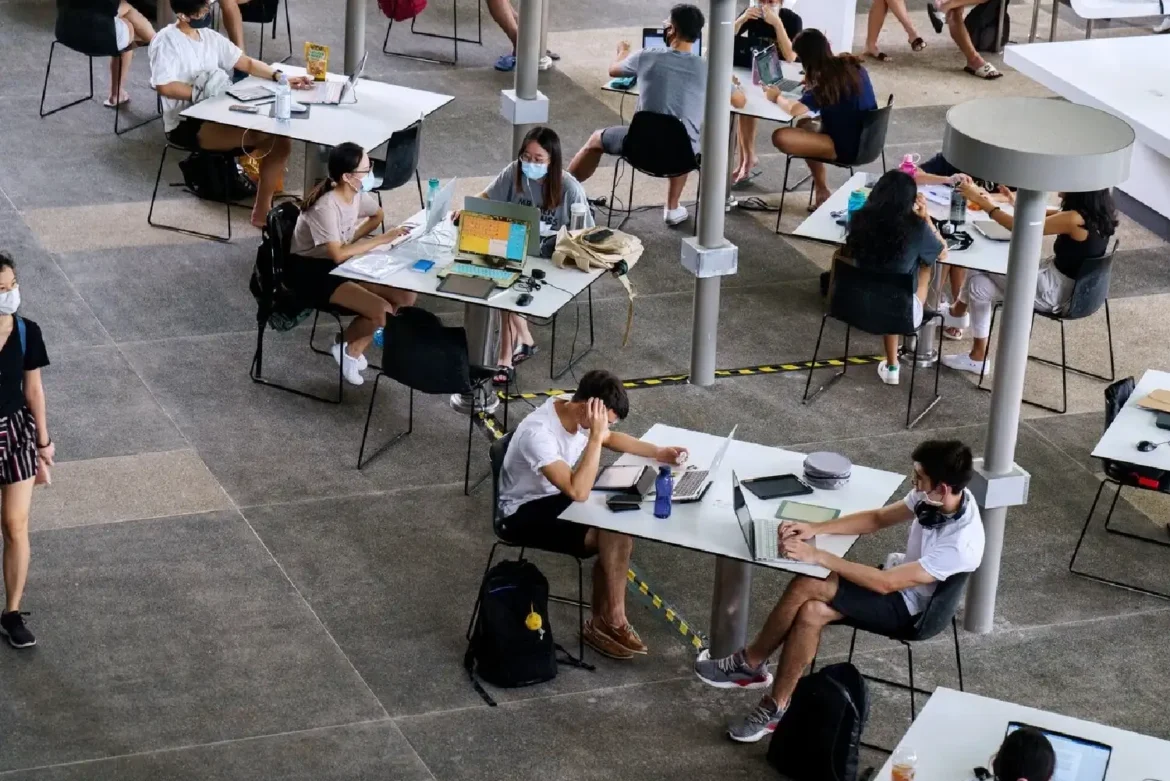
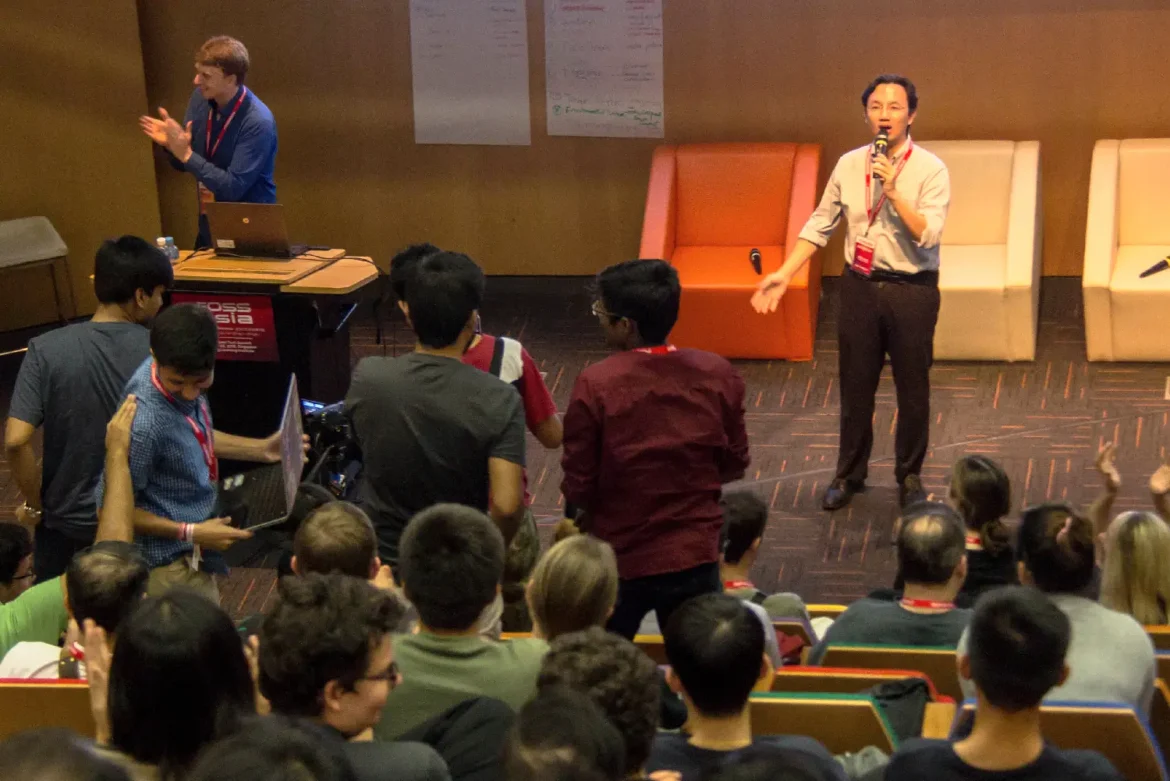
Student life in Singapore extends far beyond classrooms and lecture halls. Educational institutions across the country place significant importance on creating vibrant campus environments where students can develop socially, creatively, and intellectually. From universities to polytechnics and international schools, campus culture reflects the diverse interests and talents of students who contribute to an active and engaging academic community.

Extracurricular activities play a central role in shaping the student experience. Many schools and universities host a wide range of clubs and societies dedicated to areas such as performing arts, sports, academic interests, and cultural exchange. Students may participate in debate clubs, music ensembles, robotics teams, or community service groups. These organizations provide opportunities for students to explore personal interests while collaborating with peers who share similar passions.

Sports and physical activities are also an important part of campus culture. Educational institutions in Singapore frequently organize intramural competitions, inter-school tournaments, and recreational fitness programs. Participation in sports encourages teamwork, discipline, and healthy lifestyles. Whether students compete in organized leagues or simply enjoy recreational activities with friends, sports programs contribute to a balanced educational experience that combines physical activity with academic learning.

Cultural events and festivals add another dimension to student life. Singapore’s multicultural society is reflected in the celebrations organized by student groups representing different traditions and backgrounds. Cultural festivals, food fairs, and art performances provide opportunities for students to share aspects of their heritage with the wider campus community. These events create a welcoming atmosphere where students learn about traditions from around the world while celebrating the diversity present within their institutions.
Pages: 1 2

Advertisement

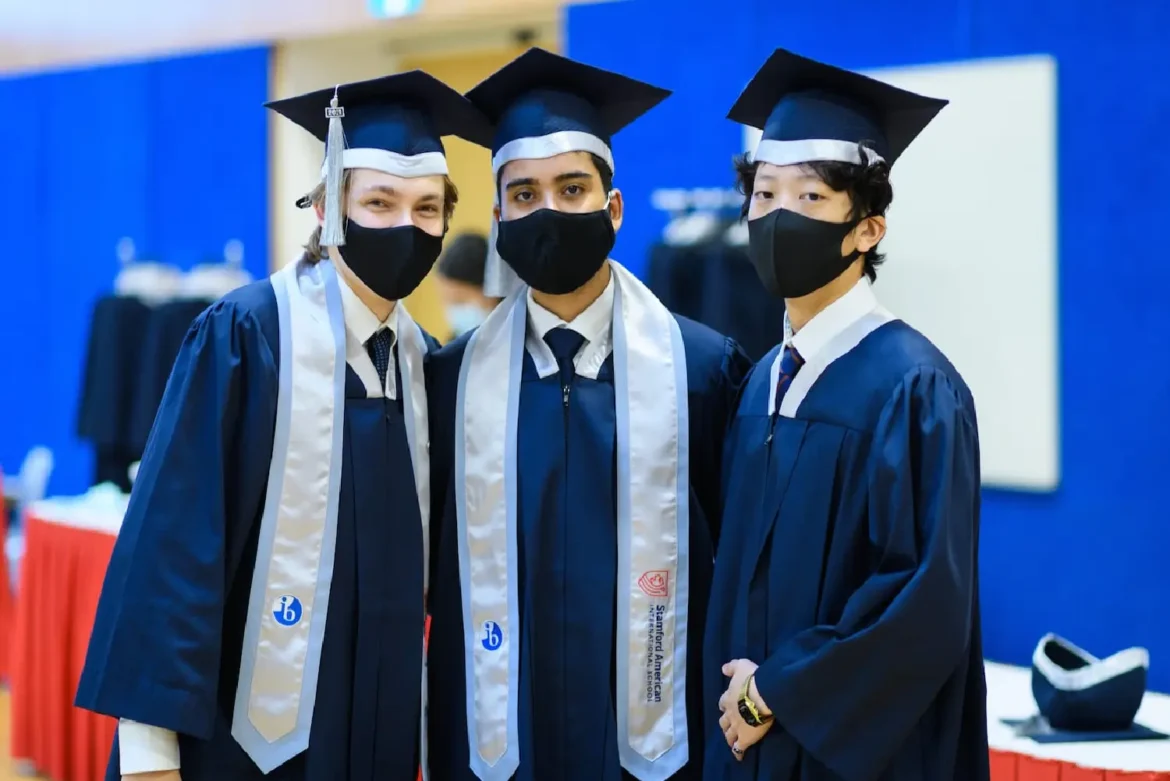
Singapore has developed into an important center for international education in Asia, attracting students from many parts of the world. Its education system combines strong academic standards with a multicultural environment, creating a learning space where students encounter different perspectives and cultural traditions. Over the years, international schools, universities, and training institutions have established campuses across the country, contributing to a diverse educational landscape that reflects Singapore’s global connections.

One of the defining characteristics of international education in Singapore is the presence of a wide range of academic programs designed for students from different educational backgrounds. International schools often follow globally recognized curricula, including British, American, or international frameworks. These institutions provide students with continuity in their studies, especially for families relocating from other countries. Students benefit from a familiar academic structure while simultaneously experiencing life in one of Asia’s most dynamic cities.

Universities in Singapore also welcome a large number of international students each year. Many institutions collaborate with overseas universities through exchange programs, research partnerships, and joint degree opportunities. These collaborations encourage knowledge sharing across borders and allow students to experience different academic environments. International students contribute their own perspectives to classroom discussions, creating a learning environment enriched by cultural diversity and global viewpoints.

Pages: 1 2

Advertisement

Lifelong learning has become an essential part of Singapore’s educational philosophy. In a world where industries evolve rapidly and new technologies reshape the workplace, continuous learning allows individuals to adapt to changing professional environments. Singapore has developed a range of programs designed to support skill development throughout different stages of life, encouraging citizens to expand their knowledge beyond formal schooling.

The concept of lifelong learning begins with the understanding that education does not end when students graduate from school or university. Instead, learning continues as individuals gain experience in their careers and encounter new professional challenges. Workers may choose to attend workshops, professional training sessions, or specialized courses to strengthen their abilities in areas relevant to their occupations. These opportunities help individuals remain informed about current practices and emerging trends within their fields.

Educational institutions play an important role in supporting this culture of continuous learning. Universities and polytechnics in Singapore frequently offer part-time programs and evening classes designed for working professionals. These programs allow individuals to pursue additional qualifications while maintaining their careers. Courses may focus on management skills, digital technologies, communication strategies, or other professional competencies that support career development.

Pages: 1 2

Advertisement

Technology has become an increasingly important component of education in Singapore, influencing how teachers present information and how students interact with learning materials. The integration of digital tools in classrooms reflects broader developments within the country’s highly connected society. Schools, universities, and training institutions now incorporate a variety of technological resources designed to support interactive learning, collaborative projects, and access to global information networks.

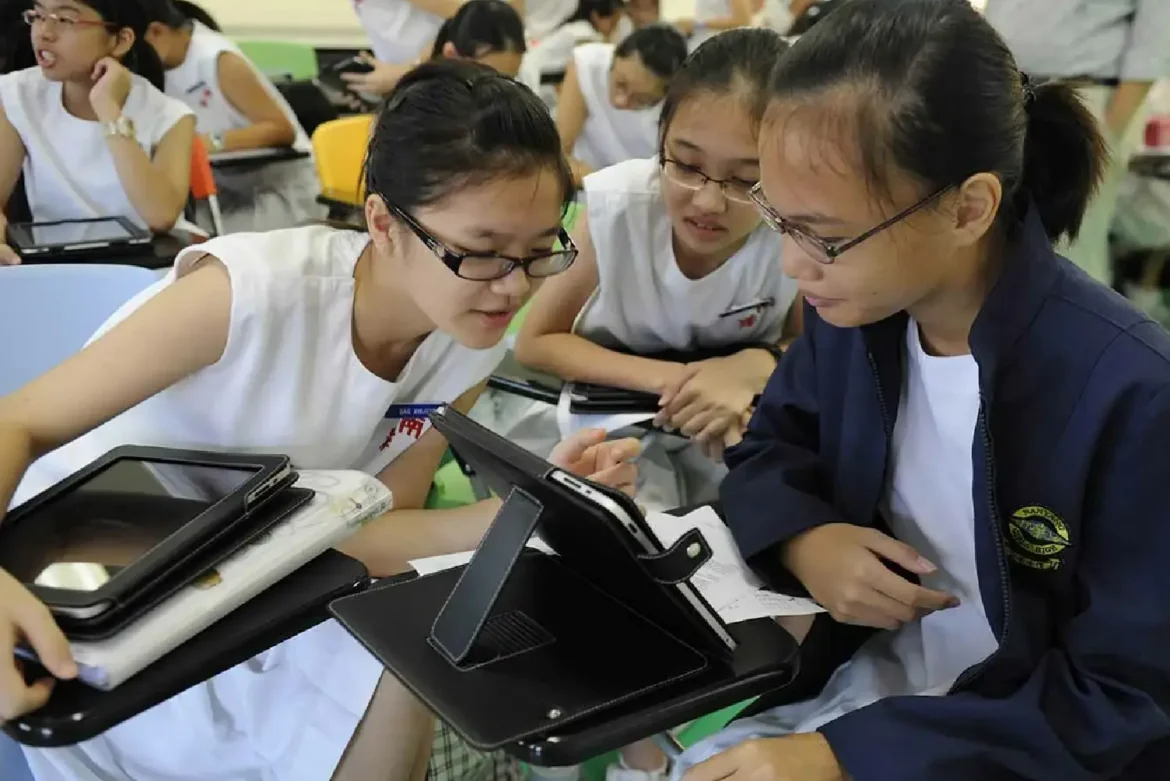
One of the most visible changes in recent years is the use of digital devices in classrooms. Students frequently use laptops or tablets to access educational materials, complete assignments, and participate in virtual learning activities. Online platforms allow teachers to distribute lecture notes, multimedia presentations, and research materials that students can review at their own pace. This approach allows learners to revisit complex topics and engage with educational resources beyond the traditional classroom schedule.

Technology also supports communication between teachers and students. Digital platforms enable instructors to share feedback on assignments, conduct virtual discussions, and monitor academic progress. Students may collaborate on group projects using shared documents or participate in online forums where they exchange ideas and perspectives. These digital interactions encourage a collaborative learning environment that extends beyond the physical classroom.

Pages: 1 2

Advertisement

Singapore’s education system has gained international attention for its structured approach, strong academic outcomes, and emphasis on preparing students for a rapidly changing world. Since the country’s independence, education has been considered a key pillar of national development. The government recognized early that a well-educated population could support economic growth, technological progress, and social stability. Over the decades, the education system has evolved through various reforms designed to address changing economic demands, global competition, and the diverse needs of students across different learning stages.

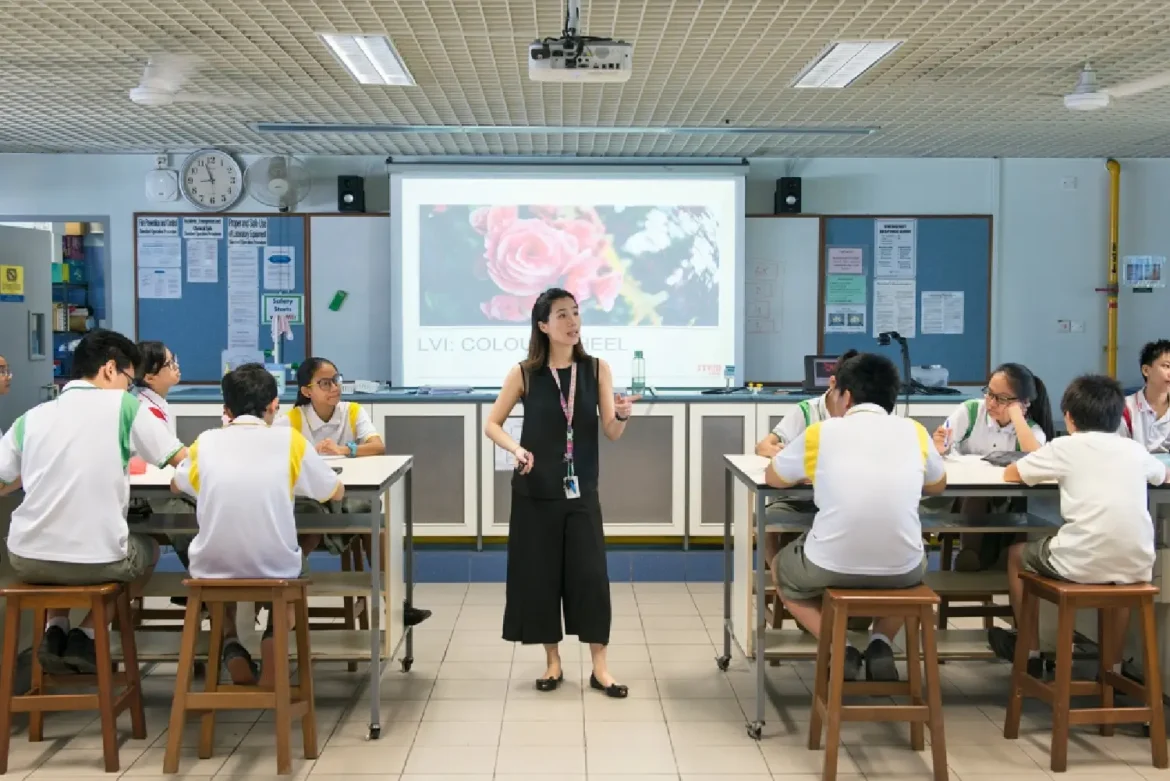
Primary education forms the foundation of the learning journey in Singapore. During these early years, students focus on developing essential academic skills, including language literacy, mathematics, and basic scientific understanding. Schools also emphasize character development, teamwork, and responsibility. Teachers encourage students to participate in classroom discussions, group activities, and creative assignments that support critical thinking. Beyond academic learning, students are introduced to extracurricular activities such as music, sports, and cultural clubs that contribute to personal development and social interaction.

After completing primary school, students continue their education at the secondary level, where academic pathways begin to diversify. Secondary education provides opportunities for students to explore a wider range of subjects while strengthening analytical and problem-solving abilities. Subjects may include literature, science, technology, and social studies, along with optional programs that allow students to pursue specific interests. Schools also offer leadership opportunities through student councils, community projects, and collaborative learning experiences.

Pages: 1 2

Advertisement

Disclaimer

This website is not intended to be a diagnosis. Results may vary. This information is not a direct recommendation and should not be construed as such. It is not a substitute for a personal consultation or examination by a licensed professional. Consult a professional before taking supplements. The information provided should be used as a permanent lifestyle recommendation and does not replace a varied and balanced diet.

Contact information

Gleamy Adventure LLC

14B Lor 7 Toa Payoh, Singapore 312014

+6562567531

info@gleamy-adventure.com