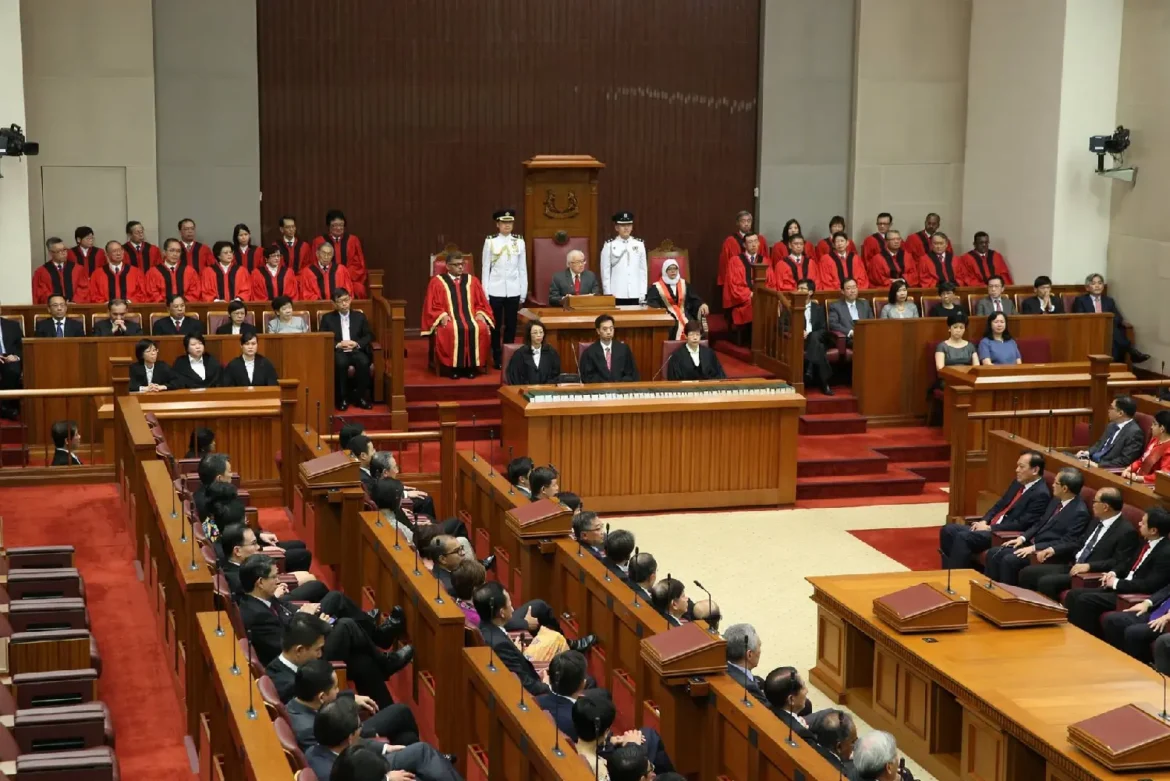
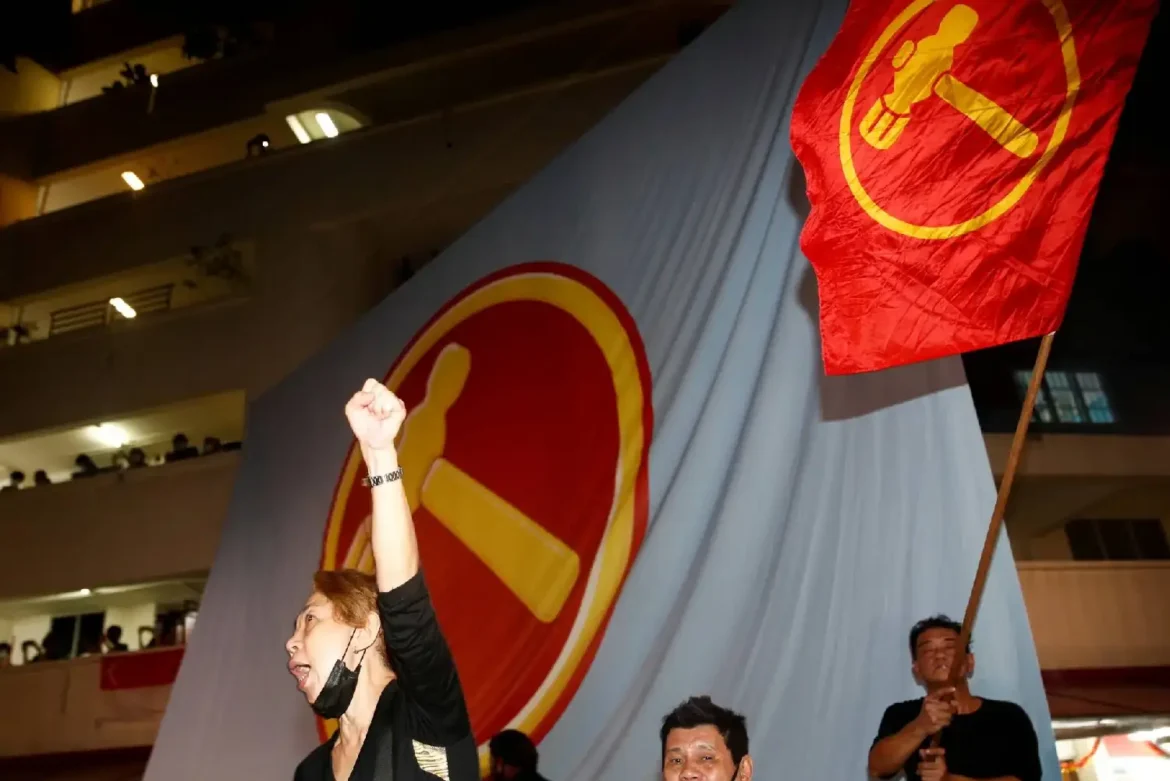
Elections form a central component of Singapore’s political system, providing citizens with an opportunity to participate in the selection of their parliamentary representatives. The electoral process is organized within a structured legal framework that outlines how candidates are nominated, how campaigns are conducted, and how votes are counted. Through regular elections, Singapore maintains a representative parliamentary system in which elected officials participate in legislative discussions and policy formation.
The country’s electoral system includes both single-member constituencies and group representation constituencies. In single-member areas, voters elect one representative who speaks for the constituency in parliament. Group representation constituencies involve teams of candidates who contest elections together, with the intention of ensuring diverse representation in the legislature. This system reflects Singapore’s multicultural society and aims to include voices from different communities within the national political structure.
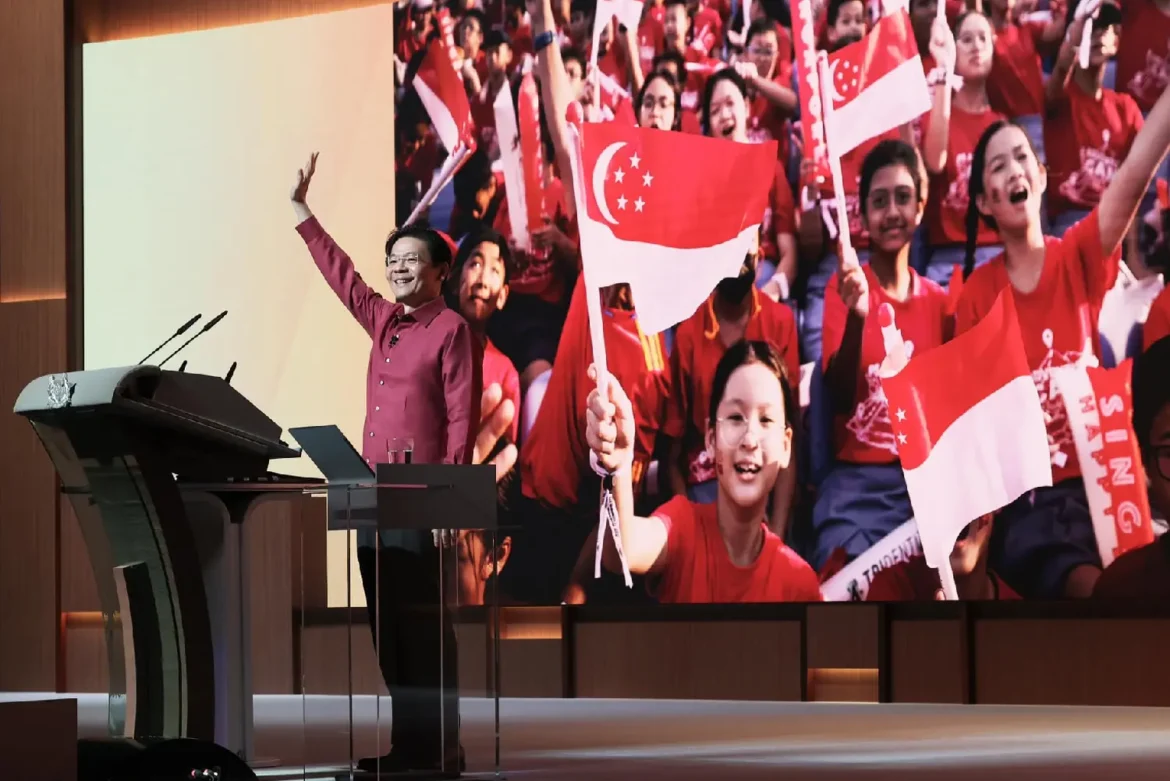
Political parties play an important role during election periods. Each party develops policy platforms and presents proposals related to economic development, education, public infrastructure, healthcare services, and social programs. Campaign periods often involve speeches, public meetings, media appearances, and community outreach. These activities allow candidates to explain their policy perspectives while engaging directly with voters about issues that affect their daily lives.