
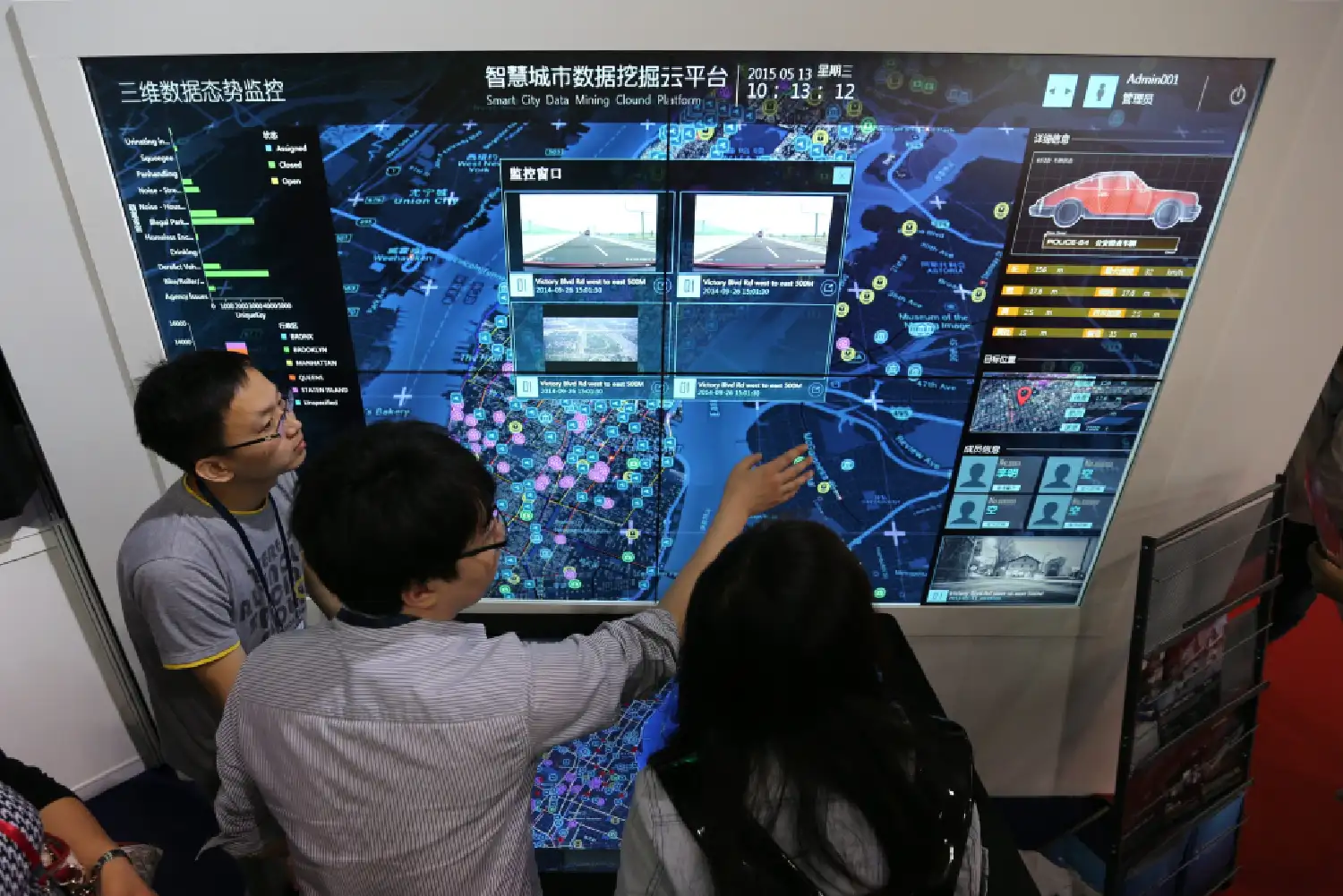
Singapore has become widely recognized for its efforts to integrate technology into urban management and daily life. As a densely populated city-state with limited land and natural resources, the country has long relied on careful planning and technological innovation to support sustainable development. Smart city technology plays a major role in these efforts, combining digital infrastructure, sensors, and data analysis to improve the efficiency of public services and urban systems. Through coordinated planning and continuous experimentation, Singapore has developed a city environment where technology supports transportation, environmental monitoring, and communication networks.
Advertisement
One of the most visible applications of smart city technology appears in transportation management. Singapore’s urban planners use digital tools to analyze traffic patterns and monitor road conditions in real time. Sensors, cameras, and data collection systems provide information that helps authorities understand how vehicles move throughout the city. This information supports decisions related to traffic signals, road planning, and public transportation scheduling. Commuters benefit from digital maps, mobile applications, and real-time transit updates that help them navigate the city more efficiently.
Environmental monitoring represents another key aspect of Singapore’s smart city initiatives. Sensors placed across different districts measure factors such as air quality, temperature, and water levels. This information allows environmental agencies to track changes in urban conditions and respond to potential challenges more effectively. For example, monitoring rainfall and drainage systems helps authorities manage flood risks during heavy storms. These technological tools contribute to a broader strategy aimed at maintaining a comfortable and resilient urban environment.