
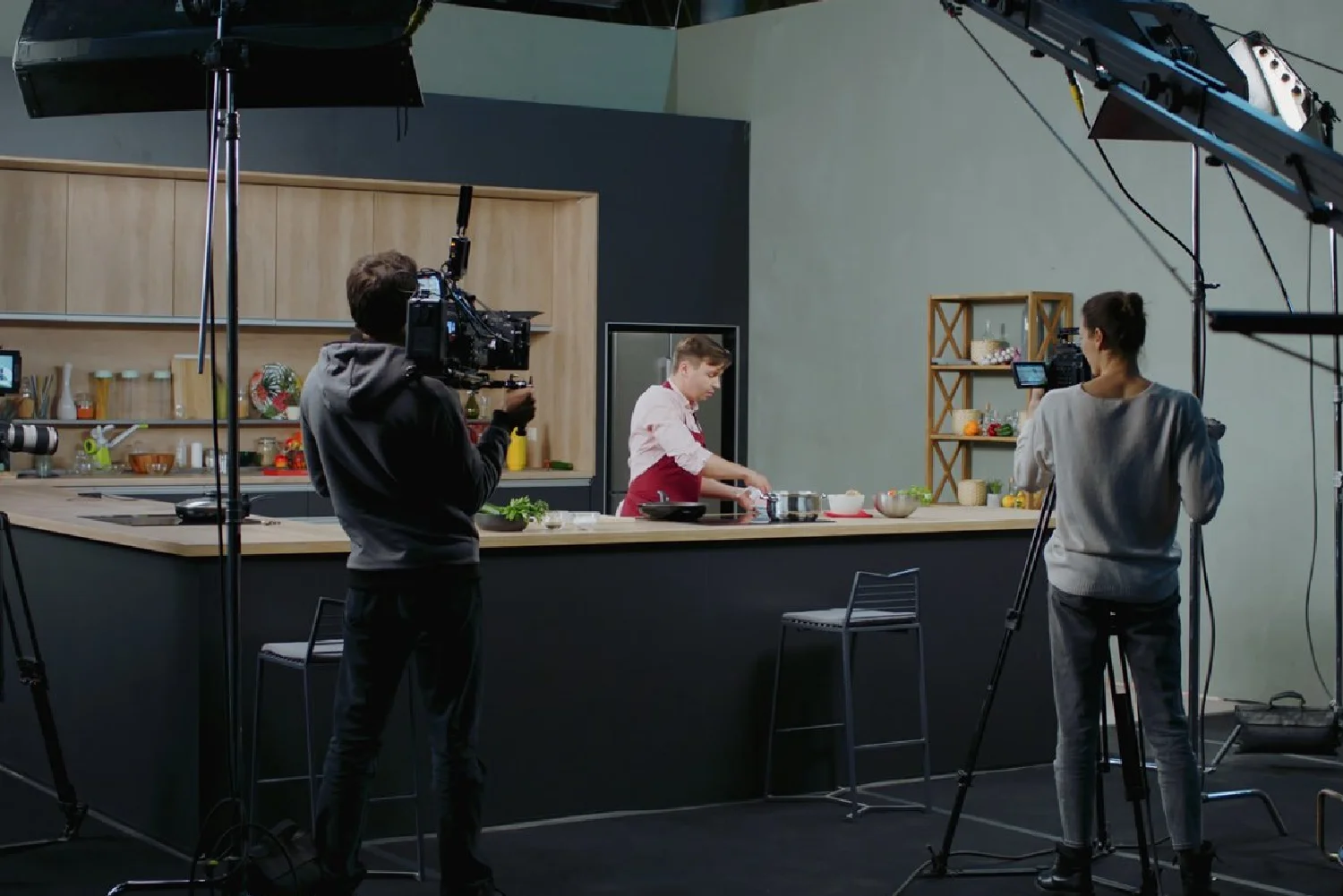
Once casting is completed, the production team prepares for filming. Sets are designed and constructed, costumes are selected, and technical equipment is arranged for each scene. Camera operators, lighting specialists, and sound engineers work together to ensure that every detail appears clear and balanced on screen. Directors guide actors through their performances, adjusting camera angles and scene pacing to capture the intended emotional impact. A single episode may require multiple takes and careful coordination among dozens of crew members.
Advertisement
Post-production represents another significant phase of the process. Editors review the recorded footage, selecting the most effective shots and arranging them into a cohesive sequence. Sound designers refine dialogue clarity, add background music, and incorporate ambient sounds that enrich the atmosphere of a scene. Visual effects teams may also contribute by enhancing certain moments or creating digital environments that support the story. This stage transforms raw footage into a polished television program ready for broadcast.
The collaborative nature of television production highlights how many different skills come together within show business. Writers imagine stories, performers bring characters to life, and technical specialists ensure that every visual and audio element functions smoothly. In Singapore’s growing media industry, this teamwork supports the creation of programs that entertain audiences across the region. By understanding the effort involved behind the scenes, viewers gain a deeper appreciation for the creativity and dedication required to produce the television shows they enjoy.