
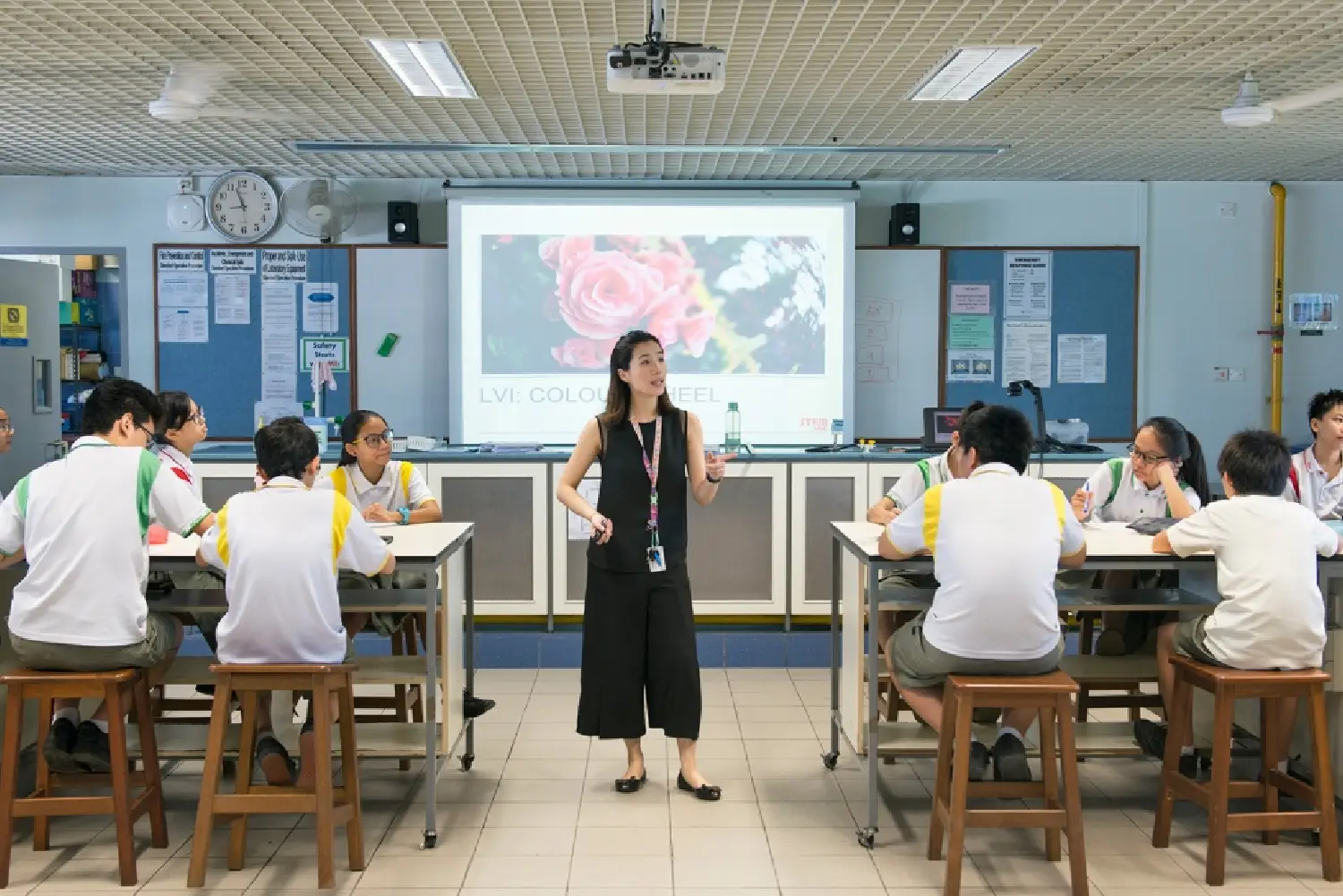
Singapore’s education system has gained international attention for its structured approach, strong academic outcomes, and emphasis on preparing students for a rapidly changing world. Since the country’s independence, education has been considered a key pillar of national development. The government recognized early that a well-educated population could support economic growth, technological progress, and social stability. Over the decades, the education system has evolved through various reforms designed to address changing economic demands, global competition, and the diverse needs of students across different learning stages.
Advertisement
Primary education forms the foundation of the learning journey in Singapore. During these early years, students focus on developing essential academic skills, including language literacy, mathematics, and basic scientific understanding. Schools also emphasize character development, teamwork, and responsibility. Teachers encourage students to participate in classroom discussions, group activities, and creative assignments that support critical thinking. Beyond academic learning, students are introduced to extracurricular activities such as music, sports, and cultural clubs that contribute to personal development and social interaction.
After completing primary school, students continue their education at the secondary level, where academic pathways begin to diversify. Secondary education provides opportunities for students to explore a wider range of subjects while strengthening analytical and problem-solving abilities. Subjects may include literature, science, technology, and social studies, along with optional programs that allow students to pursue specific interests. Schools also offer leadership opportunities through student councils, community projects, and collaborative learning experiences.