
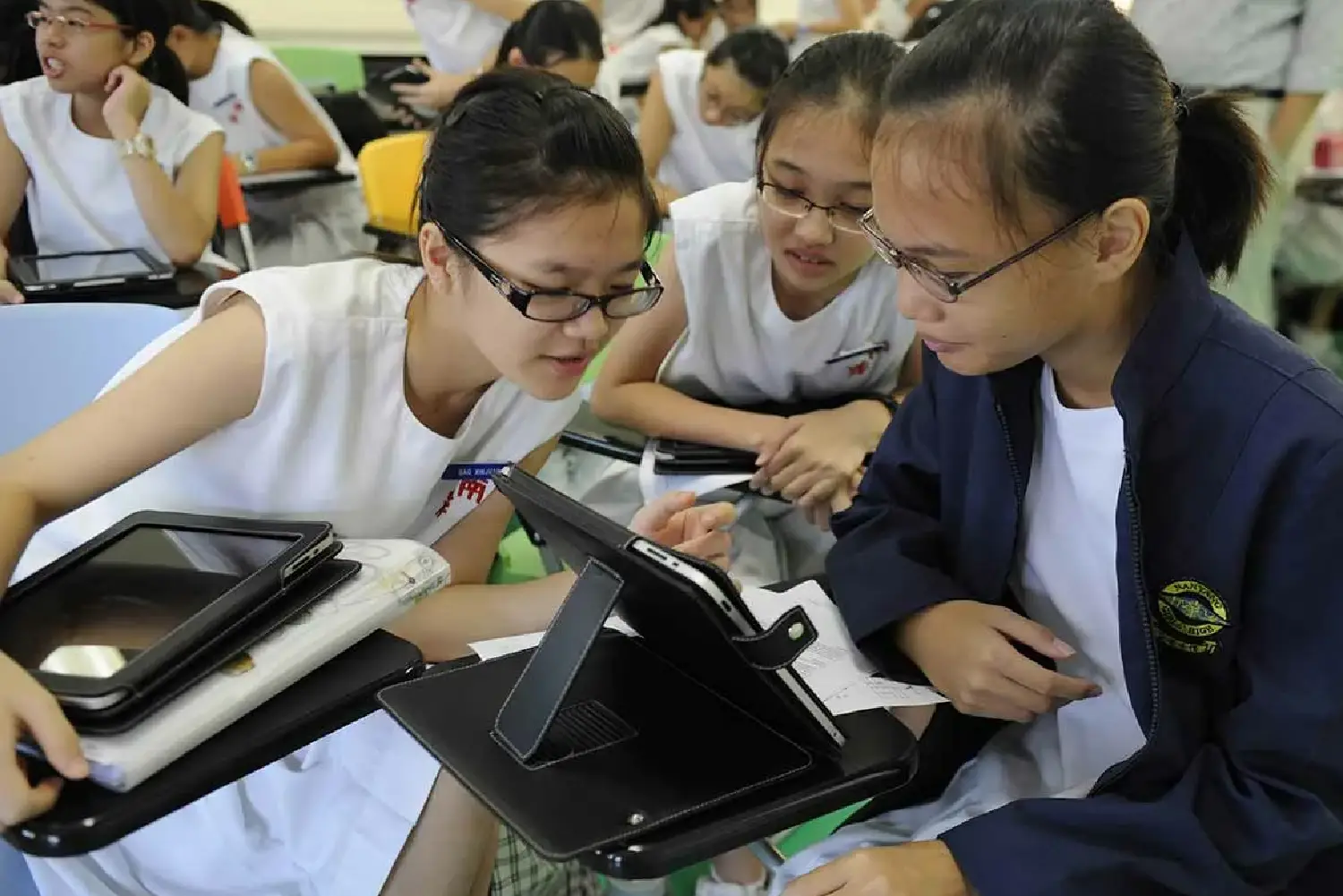
Technology has become an increasingly important component of education in Singapore, influencing how teachers present information and how students interact with learning materials. The integration of digital tools in classrooms reflects broader developments within the country’s highly connected society. Schools, universities, and training institutions now incorporate a variety of technological resources designed to support interactive learning, collaborative projects, and access to global information networks.
Advertisement
One of the most visible changes in recent years is the use of digital devices in classrooms. Students frequently use laptops or tablets to access educational materials, complete assignments, and participate in virtual learning activities. Online platforms allow teachers to distribute lecture notes, multimedia presentations, and research materials that students can review at their own pace. This approach allows learners to revisit complex topics and engage with educational resources beyond the traditional classroom schedule.
Technology also supports communication between teachers and students. Digital platforms enable instructors to share feedback on assignments, conduct virtual discussions, and monitor academic progress. Students may collaborate on group projects using shared documents or participate in online forums where they exchange ideas and perspectives. These digital interactions encourage a collaborative learning environment that extends beyond the physical classroom.