
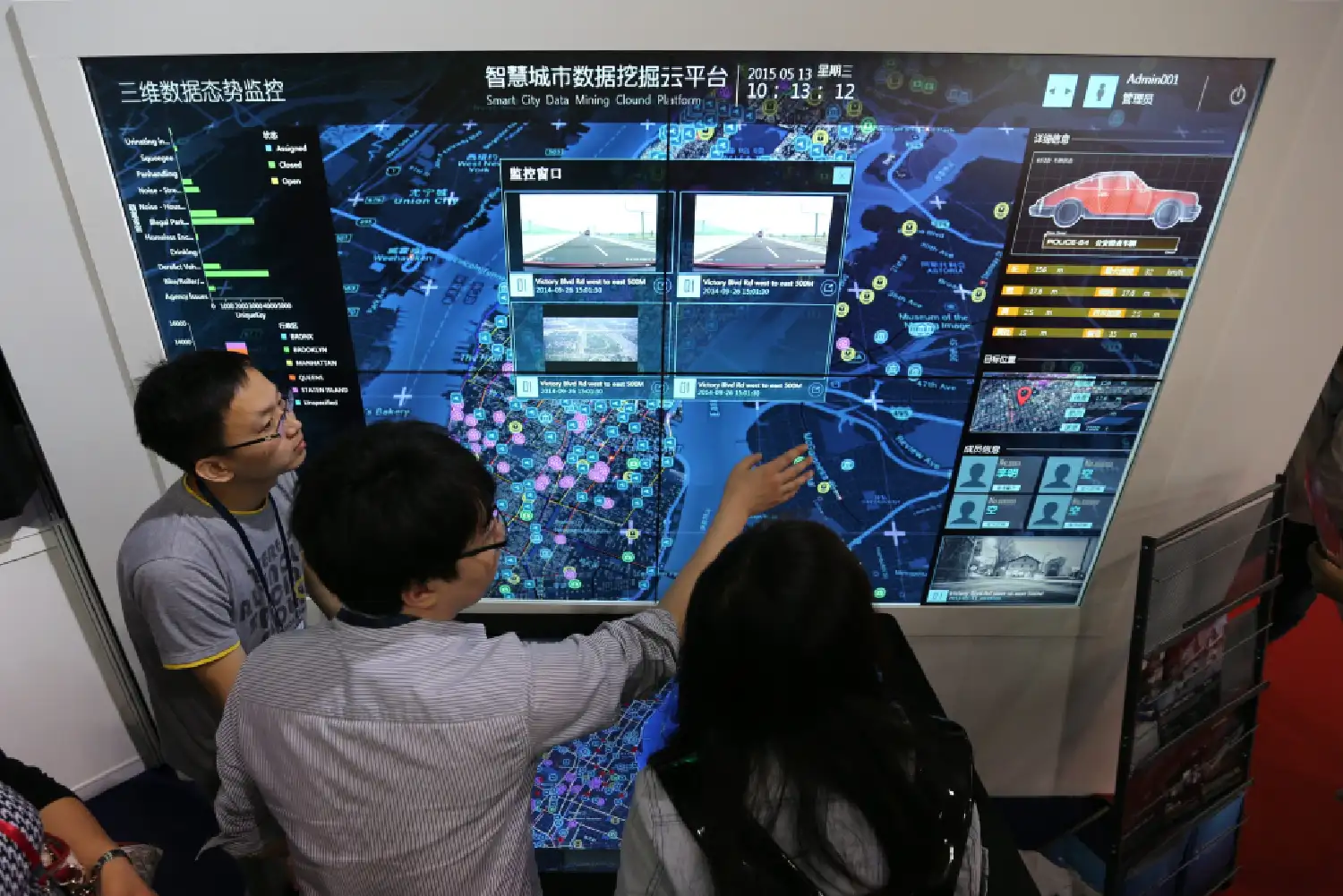
Smart infrastructure also plays an important role in managing public utilities and resources. Digital systems track electricity usage, water distribution, and waste management processes across different parts of the city. By analyzing this data, planners can identify trends and adjust operational strategies when necessary. Efficient resource management is especially important for a city like Singapore, where sustainability and responsible resource use remain long-term priorities.
Advertisement
Public services increasingly incorporate digital platforms that allow residents to interact with government agencies online. Citizens can access administrative services, submit applications, and review information through digital portals. These systems simplify communication between residents and public institutions while reducing the need for in-person administrative procedures. The integration of technology into governance reflects Singapore’s broader commitment to modernizing public administration.
Looking ahead, smart city initiatives in Singapore continue to evolve as new technologies emerge. Artificial intelligence, advanced data analytics, and next-generation communication networks are gradually being integrated into urban planning strategies. While technology introduces new possibilities, policymakers remain focused on balancing innovation with privacy protection and responsible data management. Through ongoing experimentation and careful planning, Singapore continues to develop an urban environment where technology supports efficient and sustainable city living.