
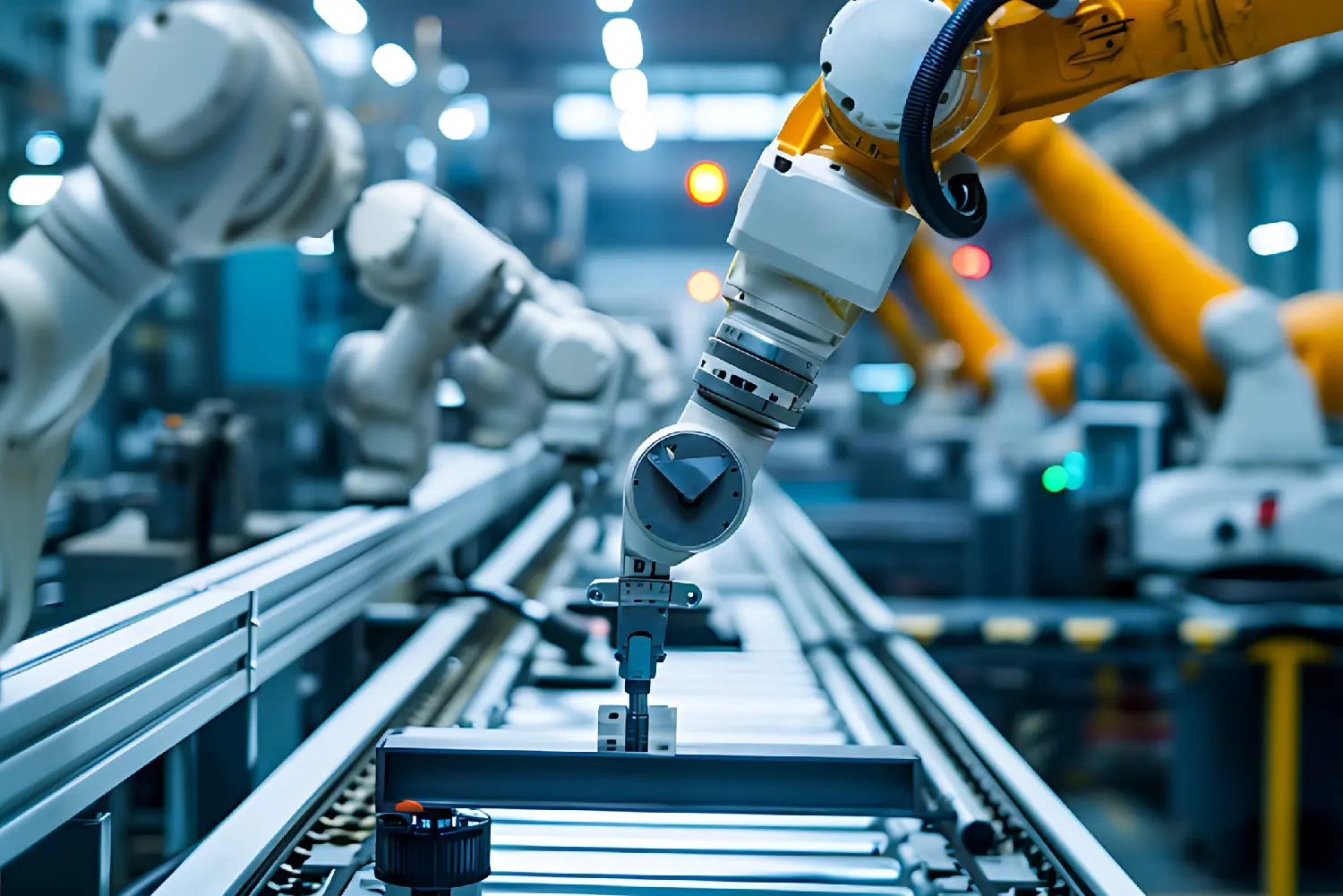
In addition to industrial environments, robotics has begun appearing in service sectors as well. Hotels, hospitals, and retail spaces occasionally experiment with automated assistants that perform specific tasks such as guiding visitors, delivering items, or supporting cleaning operations. These systems often operate alongside human staff rather than replacing them. Employees remain responsible for overseeing complex tasks, customer interactions, and operational management.
Advertisement
Research institutions and universities in Singapore actively study robotics technologies as part of broader innovation initiatives. Engineering programs encourage students to design robotic systems capable of performing specialized functions in industrial or urban environments. These research projects explore how sensors, artificial intelligence, and mechanical systems can work together to create machines that operate safely and efficiently.
The continued development of robotics and automation reflects Singapore’s broader commitment to technological advancement. As industries evolve and production methods become more complex, automated systems offer tools that support productivity and operational stability. By combining engineering research, industrial collaboration, and careful planning, Singapore continues to explore how robotics can contribute to modern industry while maintaining a balanced relationship between technology and human expertise.