
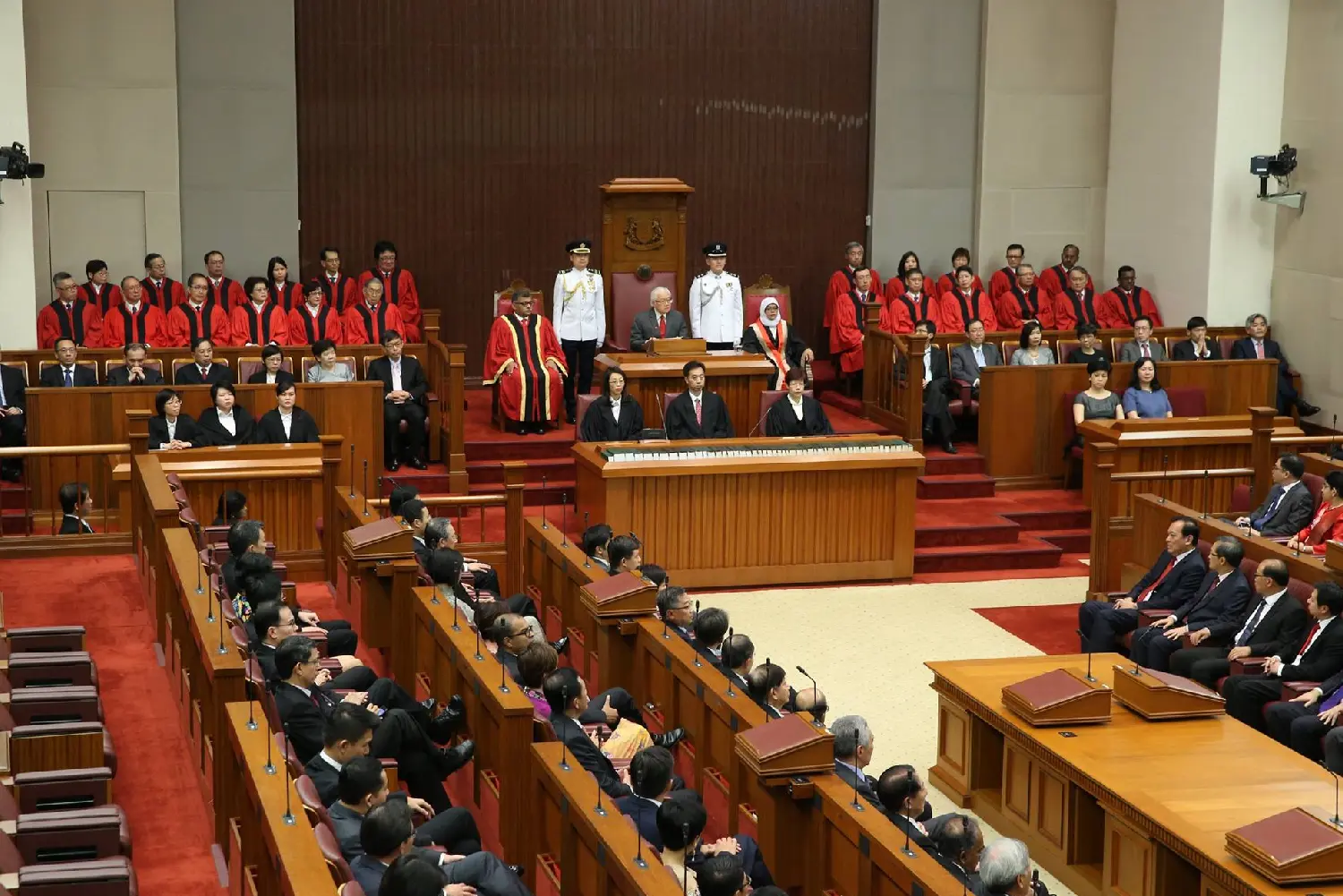
Singapore’s political structure is often discussed as an example of a carefully organized system designed to maintain stability while guiding national development. Since gaining independence in 1965, the country has established institutions that combine parliamentary governance with strong administrative coordination. The political framework includes an elected parliament, an executive branch led by the prime minister, and a president who holds specific constitutional responsibilities. Together, these institutions shape the policy direction and governance practices that influence many aspects of daily life in Singapore.
Advertisement
Parliament forms the center of the legislative process. Members of Parliament represent constituencies across the country and participate in debates, committee discussions, and legislative decision-making. Elections are held regularly, allowing citizens to vote for representatives who present policies and priorities that address local and national concerns. The parliamentary process includes reviewing proposed laws, discussing national programs, and examining government policies in areas such as education, housing, infrastructure, and economic planning.
The executive branch is responsible for implementing policies approved through the legislative process. Government ministries manage different areas of administration, including public health, transport systems, environmental planning, and national security. Each ministry works within a structured framework that emphasizes planning and coordination. Singapore’s political culture often focuses on long-term development strategies, which involve detailed planning and cooperation among different branches of government.