
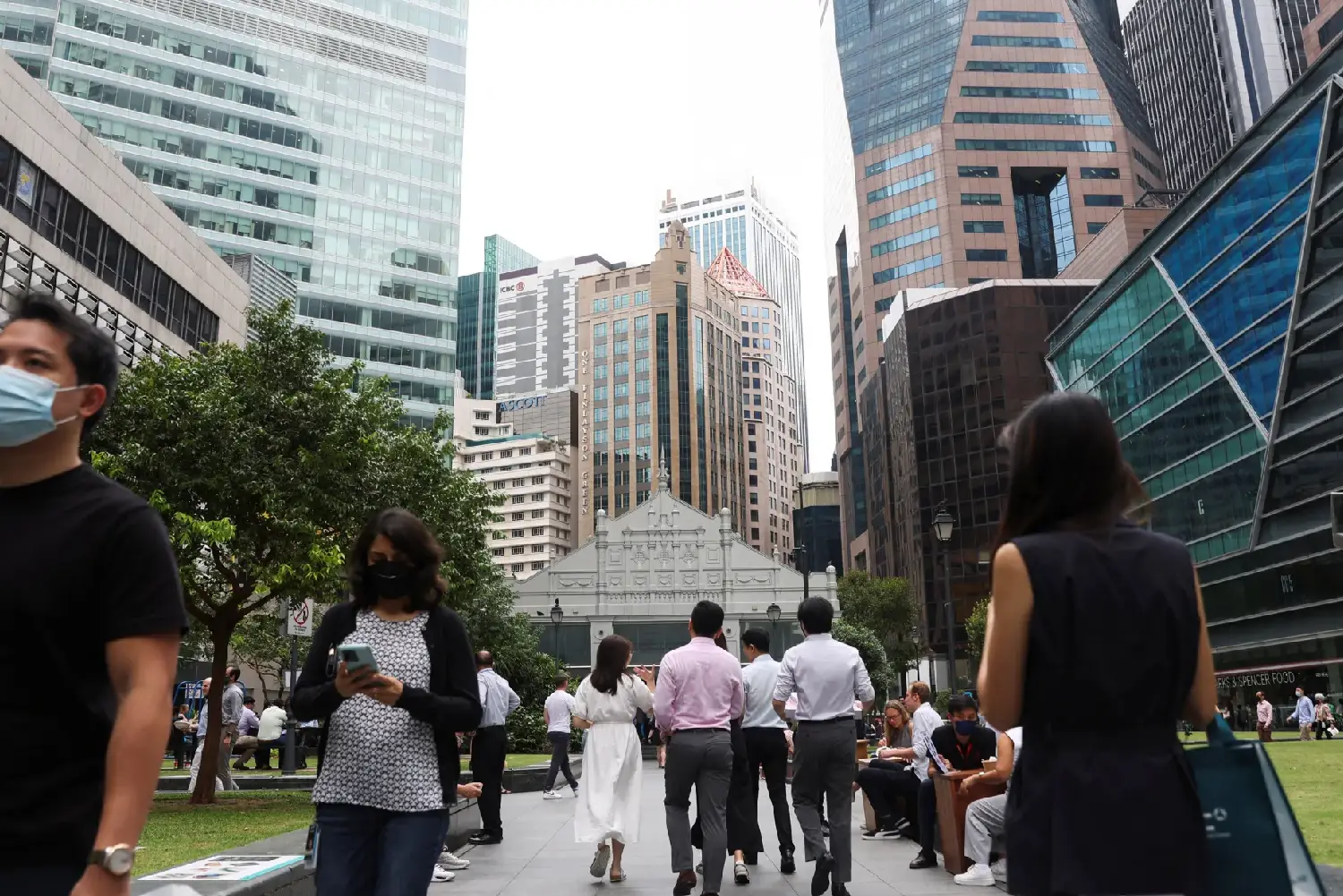
Public policy development in Singapore reflects a structured process that combines government planning, administrative expertise, and public consultation. As a highly organized city-state with limited land and resources, Singapore has historically placed strong emphasis on long-term planning when creating national policies. These policies influence a wide range of areas including housing, education, transport infrastructure, environmental protection, and social welfare. The objective of policy development is not only to address immediate challenges but also to anticipate future needs in a rapidly changing global environment.
Advertisement
The policy process typically begins with identifying a social or economic issue that requires attention. Government agencies, research institutions, and advisory committees gather information and analyze data related to the matter. This research stage often includes reviewing international experiences, studying local statistics, and consulting experts in relevant fields. By examining different perspectives, policymakers gain a clearer understanding of potential impacts before proposing new initiatives or modifying existing regulations.
Once research is completed, government ministries work together to draft policy proposals. These proposals outline possible actions, regulatory changes, and implementation strategies. Coordination between ministries is particularly important because many policies affect multiple sectors simultaneously. For example, urban development initiatives may involve housing authorities, transportation planners, environmental agencies, and economic development organizations. Collaborative planning allows policymakers to consider how different areas of governance interact with one another.