
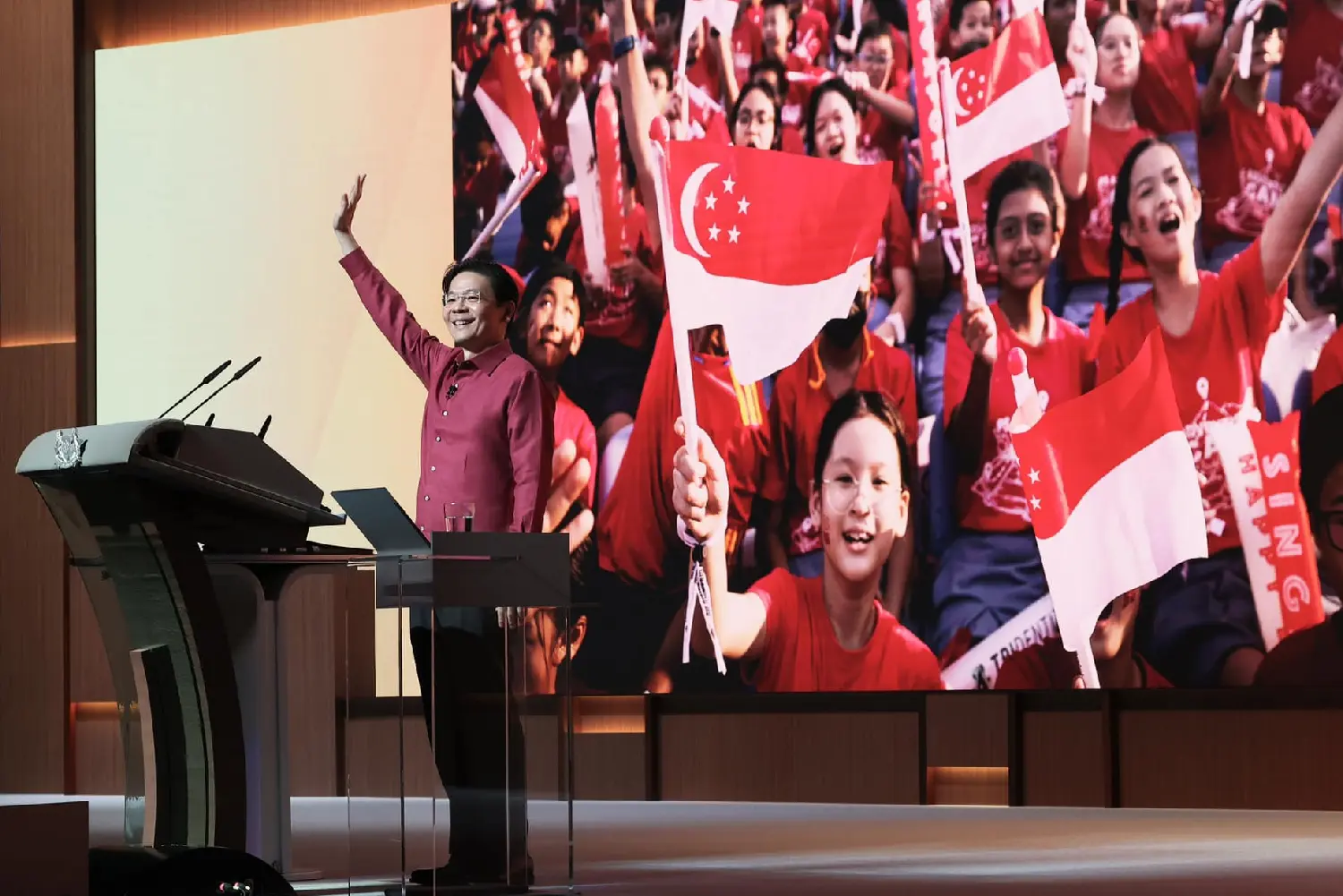
Political participation in Singapore reflects a combination of electoral processes, community engagement, and civic dialogue. Citizens contribute to the political environment not only through voting but also by participating in discussions about public policies and national priorities. As a highly urbanized and well-connected society, Singapore offers multiple avenues through which residents can interact with political institutions and express their perspectives on issues affecting the country.
Advertisement
Elections represent one of the most visible forms of political participation. During election periods, political parties present policy proposals, outline their visions for national development, and engage with voters through public forums and media platforms. Campaign activities often include speeches, debates, and community visits that allow candidates to communicate directly with constituents. These interactions help voters evaluate different viewpoints and consider how proposed policies might influence various aspects of society.
Community organizations and grassroots networks also play an important role in connecting citizens with local governance structures. Neighborhood committees, civic groups, and volunteer organizations frequently collaborate with local representatives to address community needs. Activities may include discussions about urban planning, public facilities, or environmental improvements. These initiatives encourage residents to participate actively in shaping the environment in which they live.