
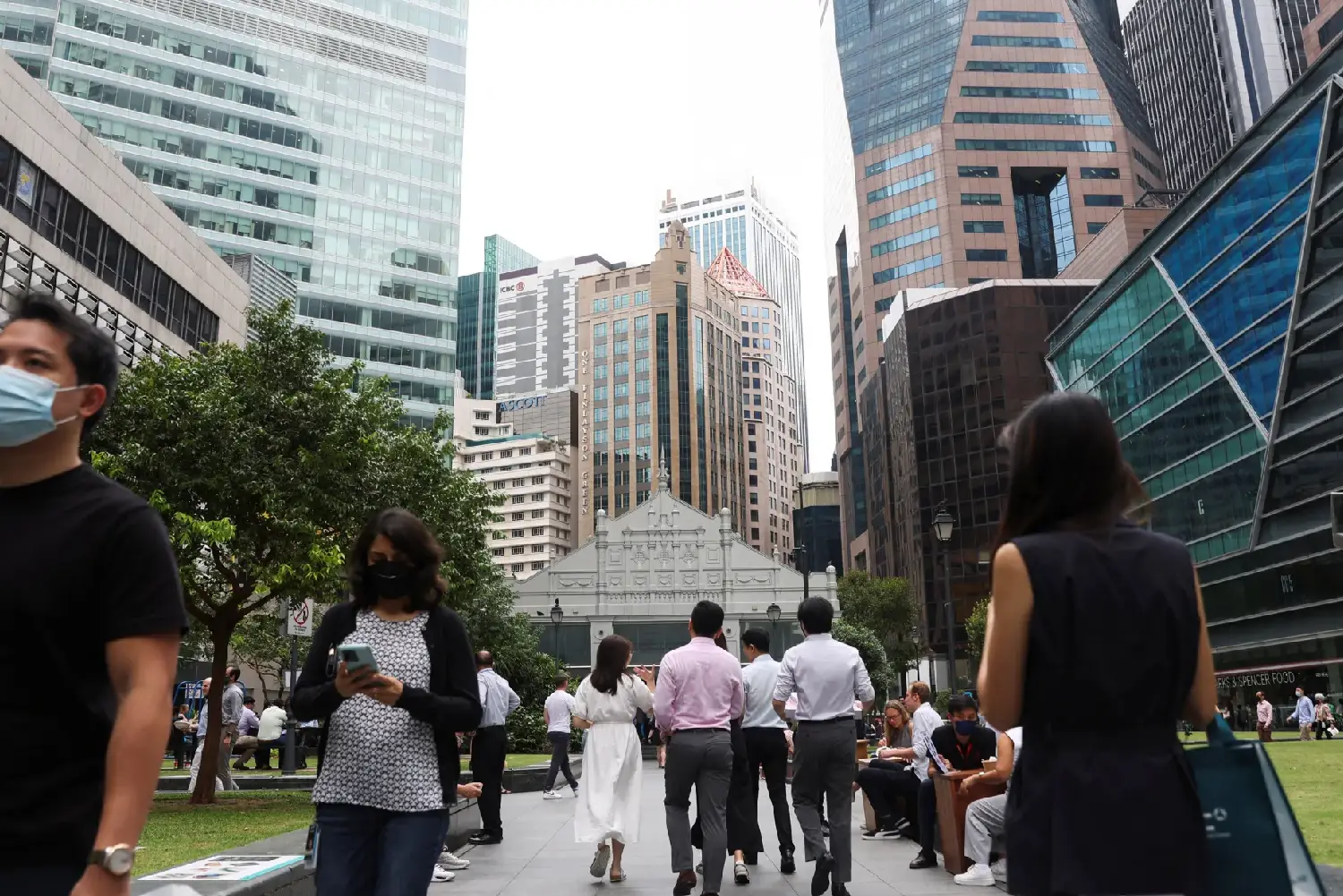
Public consultation is another important aspect of policy development in Singapore. Although decision-making authority ultimately rests with government institutions, citizens and organizations often contribute feedback during consultation periods. Public forums, surveys, and discussions organized by community groups allow individuals to express opinions about proposed policies. Businesses, academic experts, and civil society organizations may also provide input based on their professional experience and research findings.
Advertisement
After a policy proposal is finalized, it proceeds through the legislative process where it may be debated and approved by parliament. Once adopted, administrative agencies begin implementing the policy through programs, regulations, or public initiatives. Implementation often includes monitoring systems designed to evaluate whether a policy achieves its intended objectives. Government agencies regularly review policy outcomes and adjust strategies when necessary to ensure that programs remain relevant and effective.
Singapore’s approach to public policy reflects the country’s broader emphasis on planning and adaptability. The combination of research, inter-agency coordination, and ongoing evaluation helps policymakers respond to both domestic needs and international developments. As Singapore continues to evolve economically and socially, the process of developing public policies remains a key element in shaping the nation’s political and administrative landscape.