
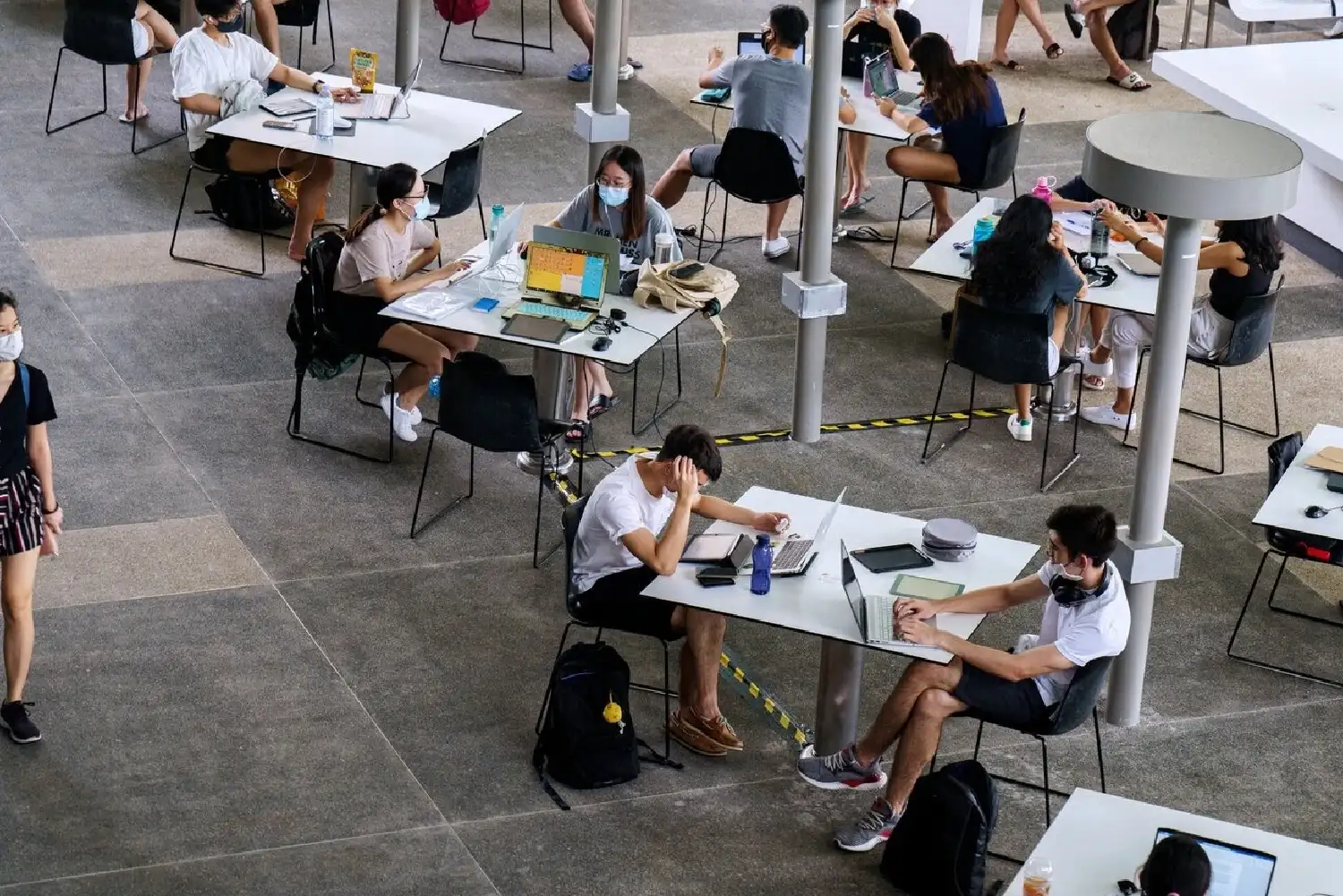
Leadership development is another key component of campus life. Student councils, project committees, and event planning teams allow students to take on responsibilities that extend beyond academic assignments. Organizing campus activities, representing student interests, and coordinating community initiatives help students develop leadership and communication skills. These experiences often encourage collaboration between students, faculty members, and administrative staff.
Advertisement
Living and studying in Singapore also allows students to connect with the broader city environment. Many campuses are located near cultural districts, public parks, libraries, and business centers. Students frequently explore these areas during their free time, attending cultural events, volunteering in community projects, or participating in professional networking activities. These connections between campus life and the city encourage students to engage with society beyond the boundaries of their educational institutions.
Campus culture in Singapore reflects the country’s emphasis on holistic education. By encouraging participation in extracurricular activities, cultural exchange, and leadership opportunities, educational institutions aim to create well-rounded learning environments. Student life becomes a space where academic knowledge, personal development, and community engagement intersect, shaping experiences that remain meaningful long after graduation.