
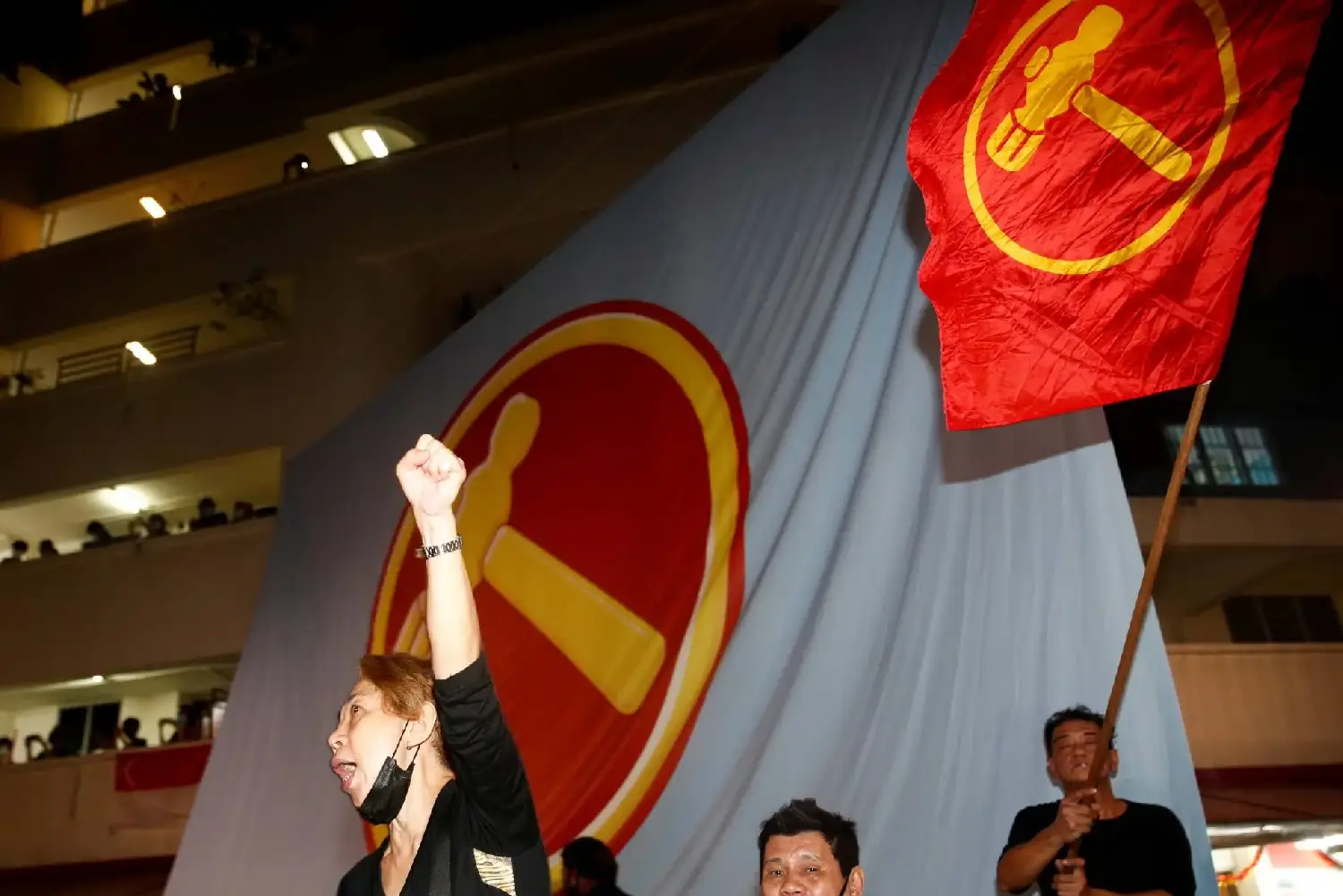
The conduct of elections is overseen by electoral authorities responsible for maintaining fairness and transparency throughout the process. These institutions establish rules regarding campaign practices, voting procedures, and the handling of ballots. Clear guidelines help ensure that elections proceed in an orderly manner. On election day, polling stations operate across the country, allowing citizens to cast their votes within their respective constituencies.
Advertisement
Political representation extends beyond election campaigns themselves. Once elected, Members of Parliament serve as intermediaries between the government and their constituents. They raise community concerns during parliamentary debates, review proposed legislation, and participate in committees that examine specific policy issues. Many representatives also maintain local offices where residents can share feedback or request assistance with administrative matters.
Over time, the electoral system has continued to adapt to changes in Singapore’s society and political environment. Population growth, urban development, and demographic shifts occasionally lead to adjustments in constituency boundaries or representation structures. Despite these changes, elections remain an essential mechanism through which citizens participate in governance. Through voting and community engagement, residents contribute to shaping the political representation that guides national decision-making.